Names Around the World
How this spice is known in major languages
Botanical Information
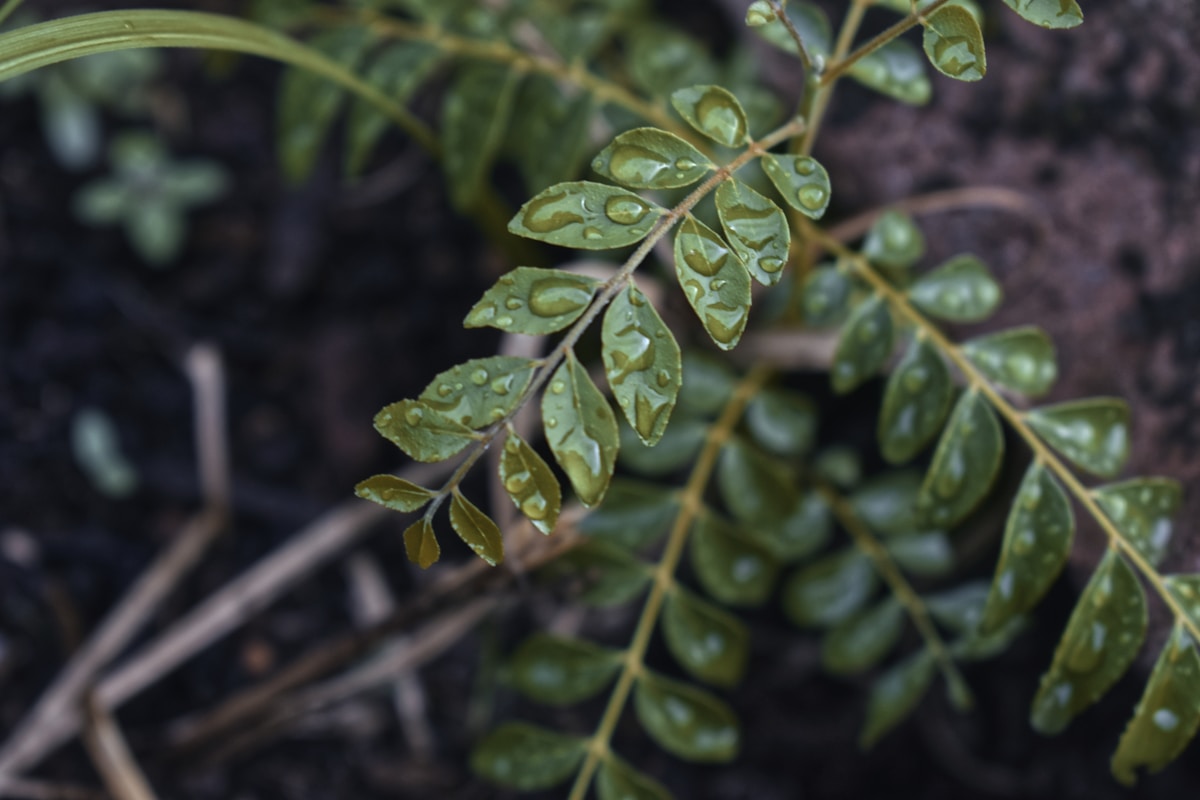
Curry leaves come from a small tree, Murraya koenigii, in the citrus (Rutaceae) family. Glossy, pointed dark-green leaves growing in pinnate clusters of 11-21 leaflets. Has nothing to do with curry powder — name confusion from British colonists.
Origin & History
Native to the Indian subcontinent and Sri Lanka. Mentioned in 1st century CE Tamil literature. Essential to South Indian, Sri Lankan, and parts of Malaysian cuisine since ancient times.
Nutritional Profile
Per 100g
Key nutrients: Carbazole alkaloids, vitamin A, C, calcium, iron, antioxidants (mahanimbine).
Evidence-Based Health Benefits
Studies show curry leaves improve insulin sensitivity and reduce blood sugar in type 2 diabetics.
Stimulates digestive enzymes; reduces nausea and morning sickness.
Iron and antioxidants — traditional remedy for premature greying and hair loss; curry-leaf oil massage.
Mahanimbine alkaloid lowers cholesterol and triglycerides in animal studies.
Effective against gram-positive and gram-negative bacteria.
Krishna-nimba is heating, pungent-bitter, balances Kapha. Used for diabetes, eye diseases, and as a 'Deepana' (digestive fire kindler). Powdered leaves with buttermilk for diarrhea is folk Ayurveda.
Recipes Featuring This Spice
Rice tempered with mustard, curry leaves, peanuts, and lemon juice.
Curry leaves blended with coconut, chili, ginger, and tamarind.
South Indian lentil-vegetable stew finished with curry leaves and asafoetida.
Safety & Precautions
5-10 fresh leaves per dish; 1 tsp powdered leaves for medicinal use.
Very safe — eaten as food. No known adverse effects in normal amounts.
Diabetes drugs (potentiates effect), blood thinners (mild).
Storage & Buying Guide
Fresh: 1 week in fridge in paper towel + ziplock bag, or freeze whole sprigs for 6 months. Dried leaves keep 6 months but lose flavor fast.
Fresh sprigs should have bright green, shiny, unblemished leaves on woody stems. Avoid yellowed or wilted bunches. Smell: distinctly nutty-citrus.
Did You Know?
The 'curry' in curry leaves is unrelated to curry powder.
Curry leaf trees can be grown indoors as houseplants and are easy to propagate.
South Indians grow a curry leaf tree in their backyard for daily harvesting.
The tree produces small black berries — toxic, don't eat.
Frequently Asked Questions
Are dried curry leaves OK?
They retain only a fraction of fresh flavor. Use fresh whenever possible.
Can I eat curry leaves whole?
Yes — they soften with cooking. Many people eat them; some prefer to discard.
Will curry leaves grow indoors?
Yes — bright light, well-drained soil, warmth. Productive houseplant in any climate.
Related Spices
Community Reviews
Share your Curry Leaves experience
Loading reviews...