Names Around the World
How this spice is known in major languages
Botanical Information
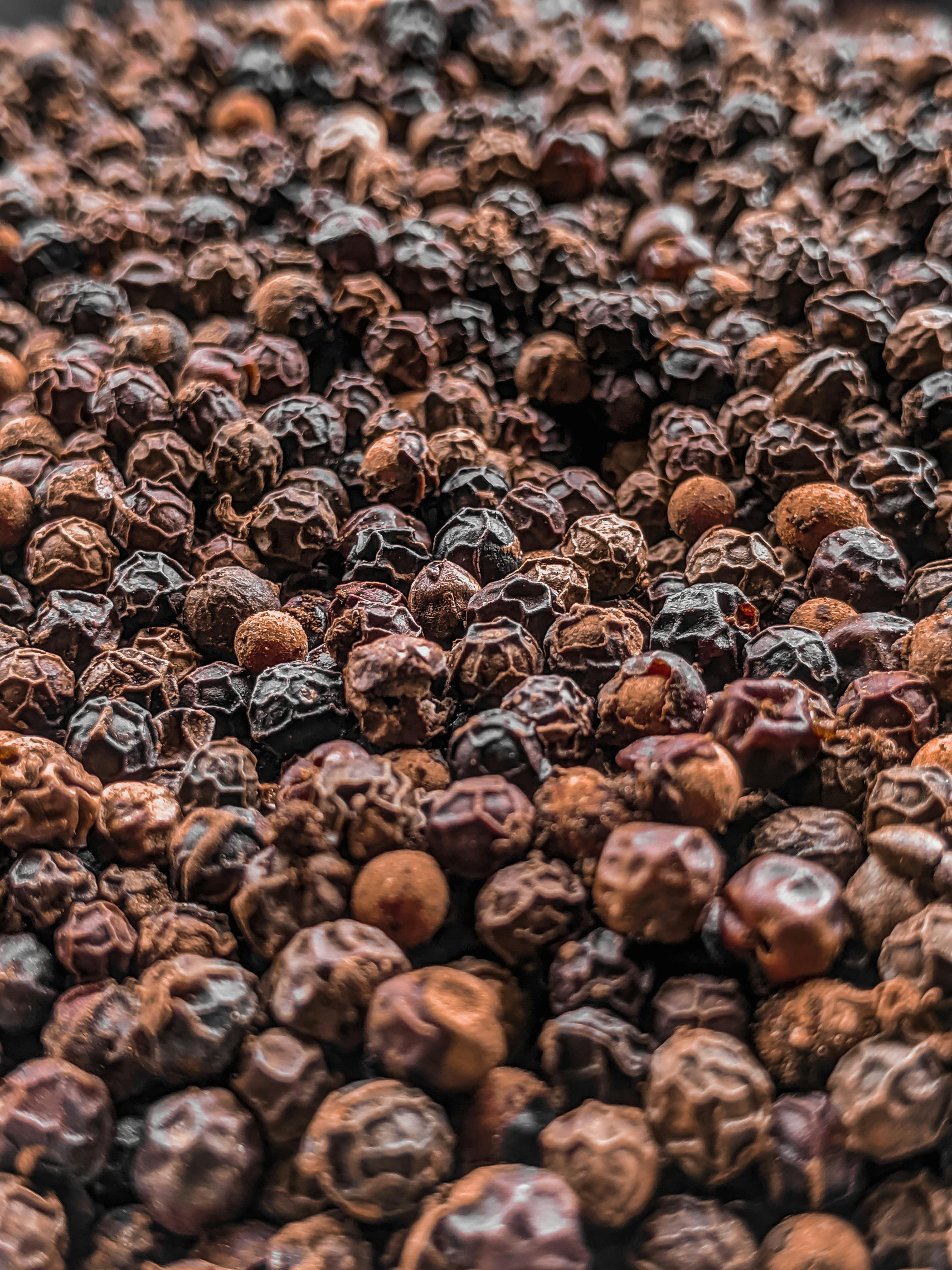
Black pepper is a flowering vine (Piper nigrum) growing up to 4 meters. It produces small drupes that turn from green to red when ripe. Picked when still green and unripe, then sun-dried until they shrivel and blacken — that's black pepper. Its active compound piperine creates the heat.
Origin & History
Native to Kerala, India's Malabar Coast, cultivated for over 3,000 years. Known to ancient Egyptians (peppercorns were found in Ramses II's mummified nostrils). The pepper trade fueled the Age of Exploration — Vasco da Gama's 1498 voyage to India was driven by pepper.
Nutritional Profile
Per 100g
Key nutrients: Rich in piperine, manganese, vitamin K, iron and dietary fiber.
Evidence-Based Health Benefits
Piperine increases curcumin bioavailability by 2000% and enhances absorption of B-vitamins, selenium and beta-carotene.
Piperine neutralizes free radicals and reduces oxidative stress.
Stimulates hydrochloric acid in the stomach, helping break down proteins.
Piperine may improve memory and reduce risk of Alzheimer's per animal studies.
Early research suggests piperine may inhibit cancer cell proliferation.
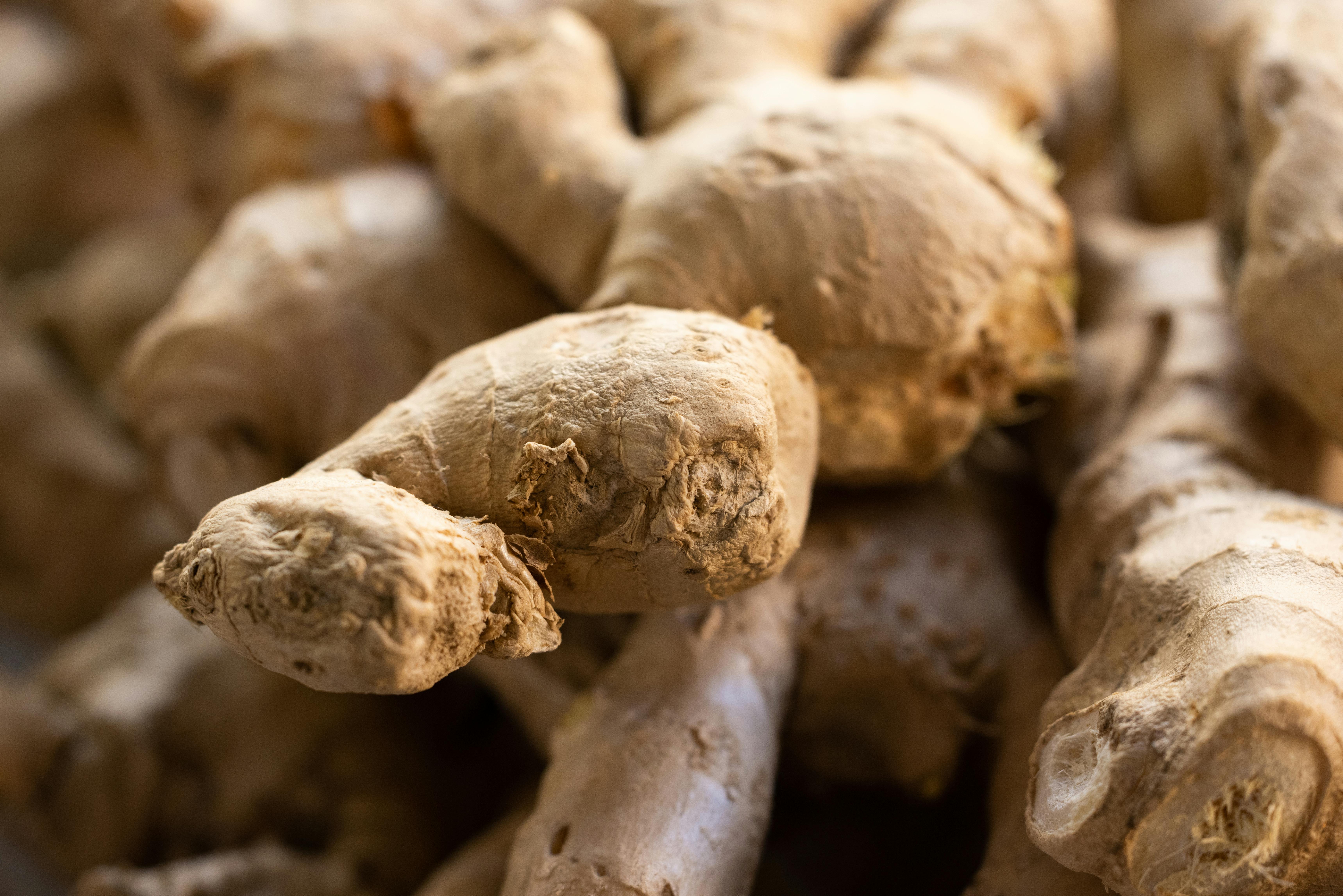
Maricha in Ayurveda is part of the famous 'Trikatu' formulation (with long pepper and ginger) that ignites Agni (digestive fire). Pungent (Katu rasa), heating (Ushna virya), light. Balances Kapha and Vata, may aggravate Pitta in excess.
Recipes Featuring This Spice
Roman pasta with pecorino and lots of cracked black pepper.
Chicken stir-fried with curry leaves and coarsely ground pepper.
Crusted steak finished with cognac cream sauce.
Safety & Precautions
1-2 grams (½-1 teaspoon) daily is plenty. Always grind fresh.
Generally safe. Excess can cause stomach upset, heartburn, or trigger sneezing fits. Avoid touching eyes after handling.
Piperine inhibits CYP3A4 enzyme — can raise blood levels of many medications including phenytoin, propranolol, and theophylline. Inform your doctor if on chronic medication.
Storage & Buying Guide
Whole peppercorns last 3-4 years sealed in dark, cool place. Pre-ground loses aroma in 3 months. Always grind fresh.
Choose plump, dark, uniform peppercorns. Tellicherry (TGSEB grade) is largest, most aromatic. Malabar, Lampong, and Sarawak are other top origins. Avoid dusty, broken, or pale lots.
Did You Know?
Pepper was so valuable in medieval Europe that workers were searched for stolen peppercorns.
Pepper, not gold, financed the Portuguese empire's expansion to India.
Pliny estimated Rome spent 50 million sesterces a year on pepper alone.
Pepper accounts for 20% of world's spice trade.
Frequently Asked Questions
Why grind pepper fresh?
Pepper's aromatic oils (piperine, terpenes) degrade rapidly once ground. Fresh-cracked pepper has 5-10x more flavor.
Is black pepper better than white?
Black has more flavor and antioxidants; white is milder and used in light-colored dishes.
Why pair pepper with turmeric?
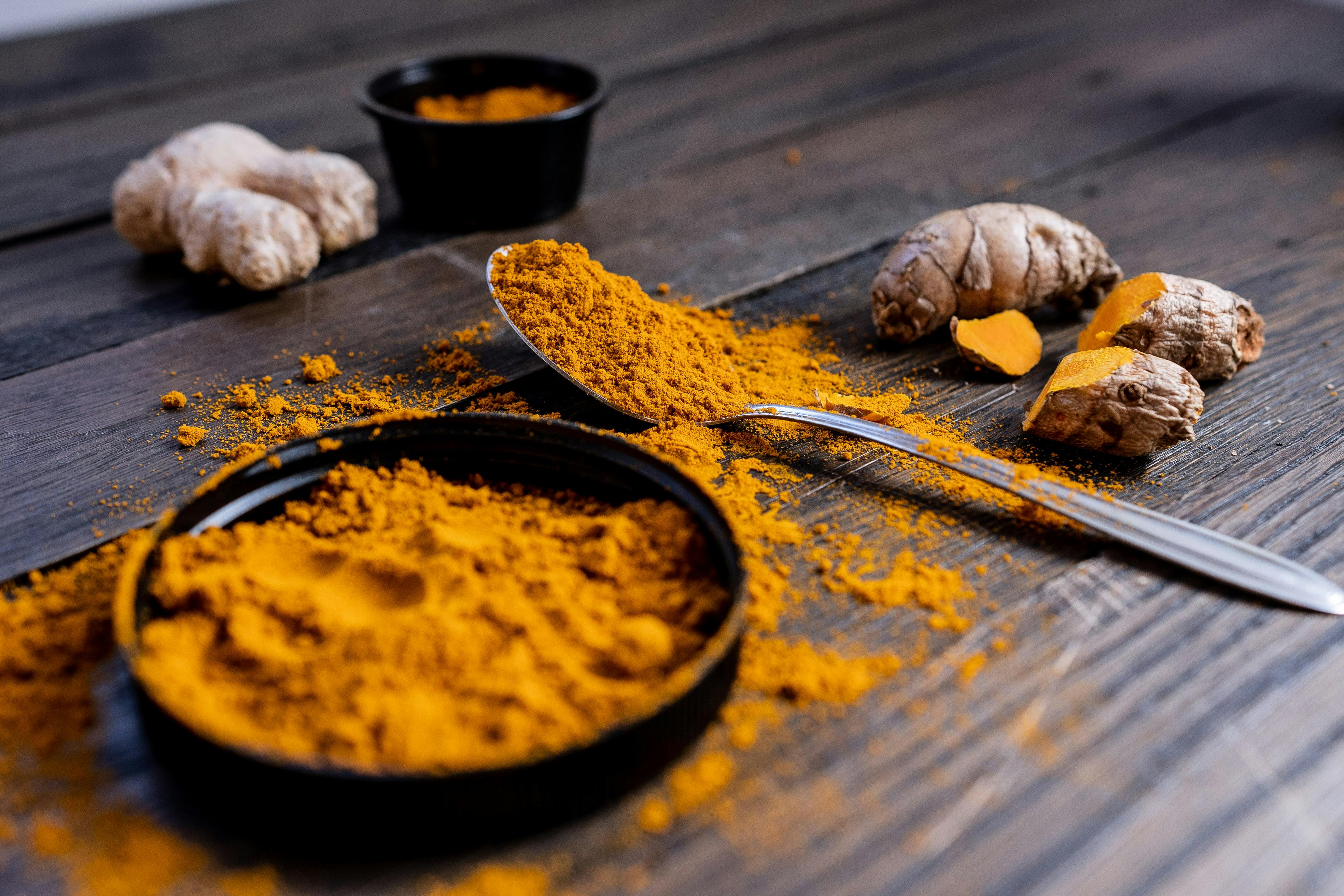
Piperine boosts curcumin absorption by 2000% — essential pairing for health benefits.
Related Spices
Community Reviews
Share your Black Pepper experience
Loading reviews...