Names Around the World
How this spice is known in major languages
Botanical Information
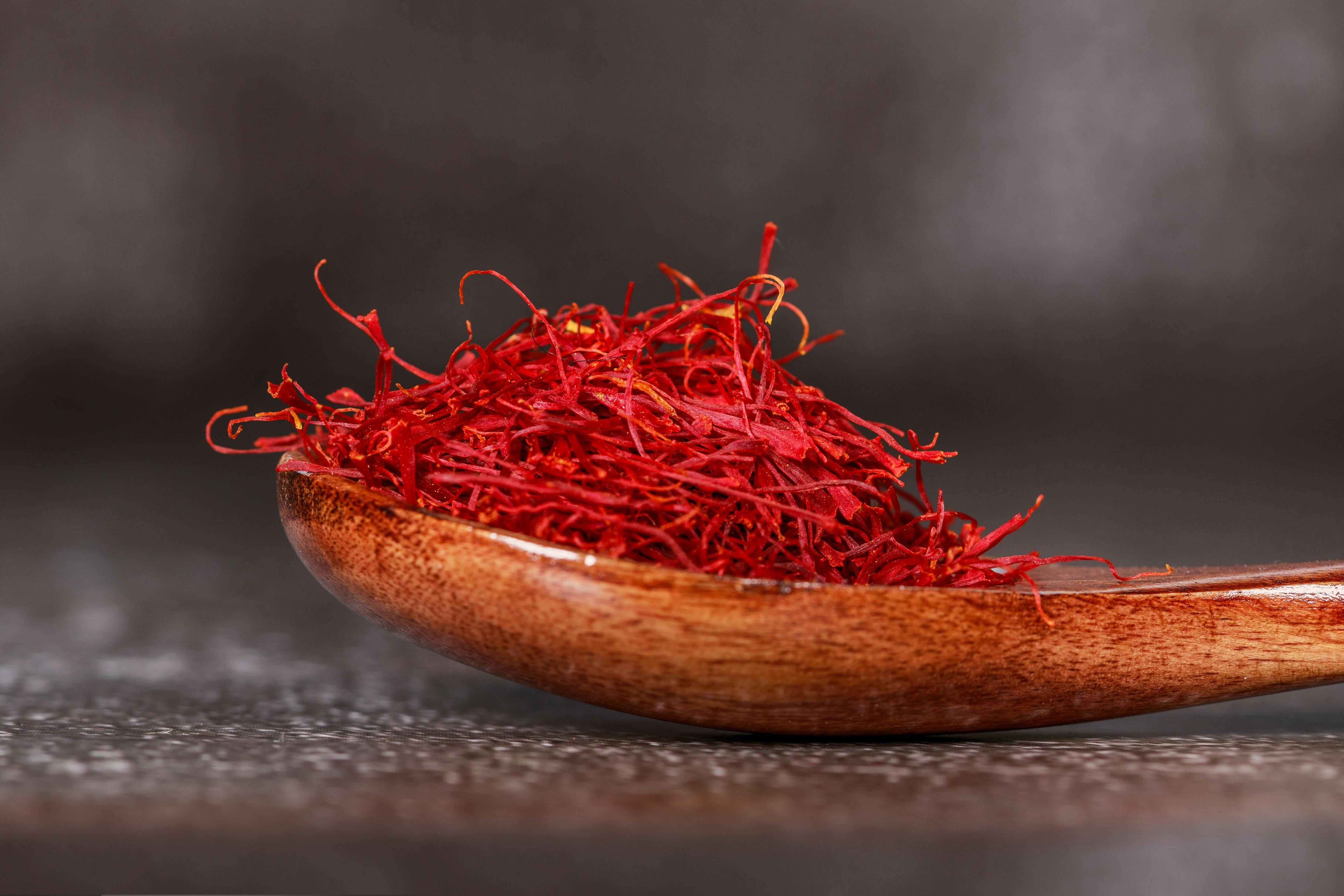
Saffron is the dried stigma of the Crocus sativus flower. Each purple bloom has only three crimson threads (stigmas). It takes ~150,000 flowers and 400 hours of hand-picking to produce one kilo of saffron — hence the price.
Origin & History
Cultivated for over 3,500 years; first documented in Bronze Age Greek frescoes at Akrotiri. Persia (Iran) has been the center of saffron cultivation since antiquity and still produces 90% of the world's saffron. Spread to Spain via Moorish invaders, then to Kashmir and Italy.
Nutritional Profile
Per 100g
Key nutrients: Tiny doses used — but rich in crocin, picrocrocin, safranal (signature compounds), manganese, vitamin C.
Evidence-Based Health Benefits
Multiple clinical trials show 30mg/day saffron extract matches Prozac for mild-moderate depression.
Crocin and safranal neutralize free radicals and reduce oxidative stress.
Studies show saffron extract slows age-related macular degeneration.
30mg/day for 2 cycles significantly reduced PMS symptoms in trials.
Saffron has shown effectiveness comparable to donepezil in mild Alzheimer's trials.
Kumkuma — sweet, bitter, pungent rasas; cooling; balances all three doshas. Used as a 'Varnya' (skin glow), 'Hridya' (heart tonic), and 'Vajeekarana' (rejuvenator). Given to pregnant women in small doses for healthy baby complexion.
Recipes Featuring This Spice
Basmati rice infused with saffron, ghee, raisins, and nuts.
Spanish rice with chicken, rabbit, beans, and a precious pinch of saffron.
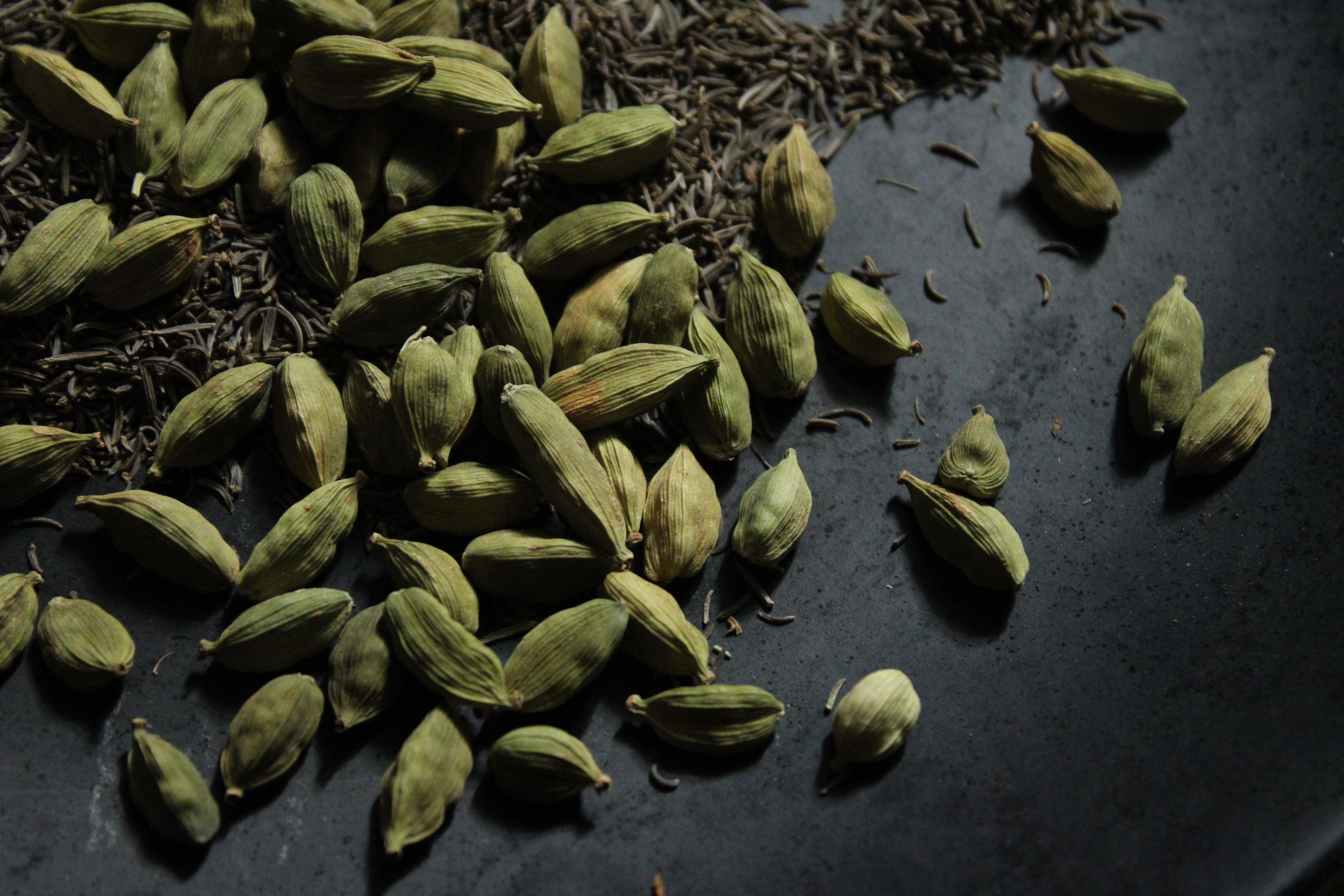
Indian ice cream perfumed with saffron, cardamom, and pistachio.
Safety & Precautions
30-100 mg daily (about a small pinch) for therapeutic effect.
Generally safe in culinary amounts. Doses >1.5g can cause toxicity; >5g is dangerous and abortive in pregnancy.
Blood thinners, antidepressants (additive), blood pressure medication.
Storage & Buying Guide
Airtight, away from light, in cool place — retains potency 2-3 years. Refrigerate or freeze for longer.
Look for vivid deep-red threads with orange tips. Should be brittle and snap, not bend. Avoid powder (often adulterated). Iranian Sargol and Spanish Coupé are top grades. Cost: $5-15 per gram.
Did You Know?
Saffron costs more than gold by weight (gold ~$60/g, saffron up to $15/g).
It takes 150,000 flowers and 400 hours of hand-picking to produce 1kg.
Saffron has been depicted in 3,500-year-old Minoan frescoes.
Cleopatra reportedly bathed in saffron-laced milk before meeting suitors.
Frequently Asked Questions
Why is saffron so expensive?
Each flower yields only 3 threads, and harvesting is entirely manual. 150,000 flowers = 1kg.
How do I know if saffron is real?
Real saffron releases golden-yellow color slowly in warm water; fake or dyed instantly bleeds red.
Can I use saffron daily?
Yes — a culinary pinch (5-15 threads) is safe for daily use.
Related Spices
Community Reviews
Share your Saffron experience
Loading reviews...