Names Around the World
How this spice is known in major languages
Botanical Information
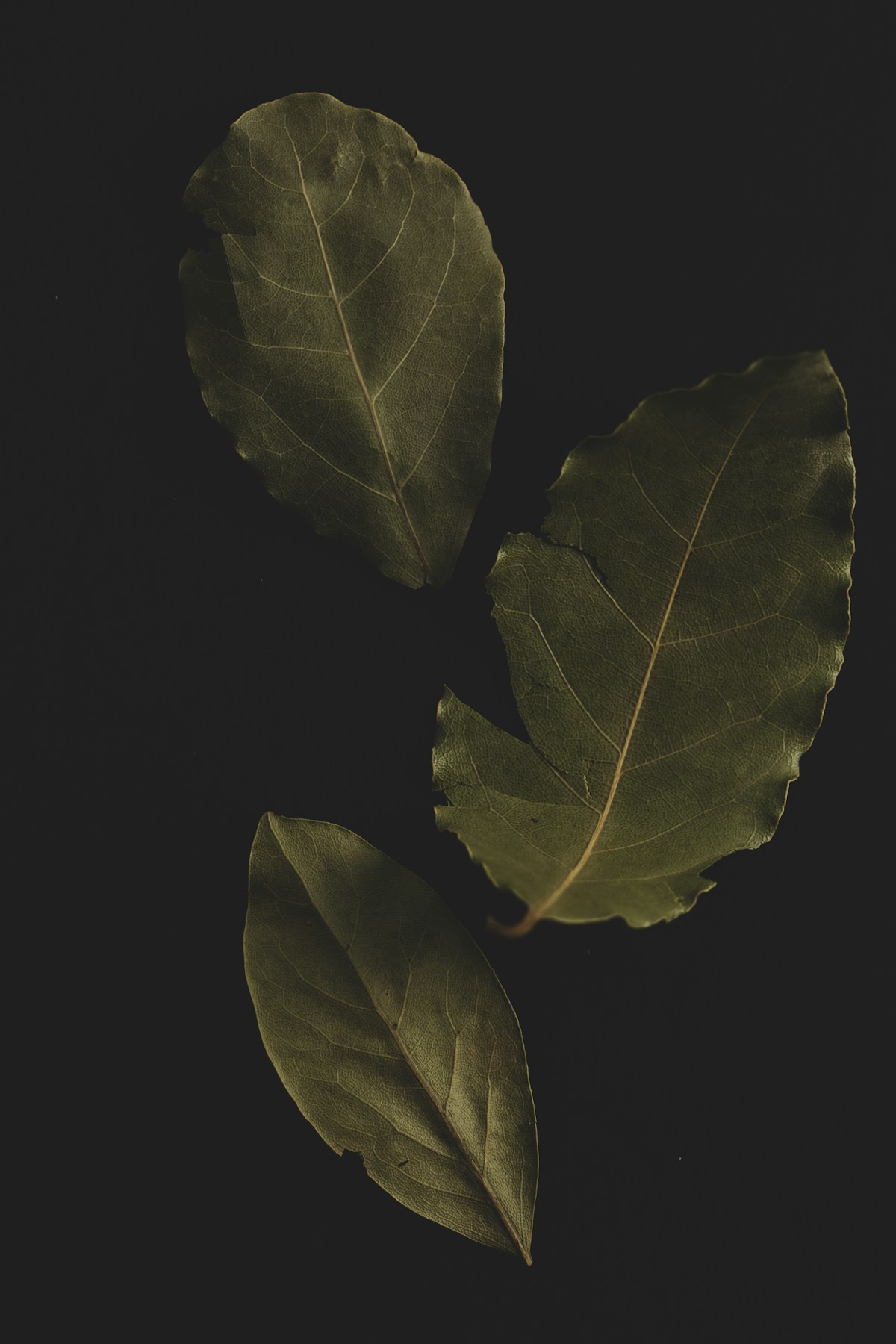
European bay (Laurus nobilis) is the laurel of ancient Greek crowns — dark green, glossy, lance-shaped. Indian bay (Cinnamomum tamala) is from the cinnamon family — three prominent veins, cinnamon-clove aroma. Both used as 'bay leaf' but flavors differ.
Origin & History
European bay native to Mediterranean — sacred to Apollo, worn by victors of the Pythian Games. Indian bay native to Himalayan foothills — fundamental to North Indian biryanis and meat curries for over 2,000 years.
Nutritional Profile
Per 100g
Key nutrients: Essential oils (cineole, eugenol, linalool), vitamin A and C, calcium, iron, manganese.
Evidence-Based Health Benefits
3g/day for 30 days reduced glucose 21% and cholesterol 24% in type 2 diabetics in one trial.
Stimulates digestive enzymes and reduces flatulence — why it features in slow-cooked dishes.
Essential oils inhibit foodborne and respiratory pathogens.
Eugenol and cineole calm inflammatory pathways.
Topically used for centuries on cuts and bruises.
Tamalapatra is heating, sweet-pungent, balances Kapha and Vata. Used in heart tonics ('Hridya') and digestive formulations. Often combined with cardamom and cinnamon in classical recipes.
Recipes Featuring This Spice
Beef, carrots, potatoes simmered with bay leaves and red wine.
Layered rice and meat fragrant with bay leaves, cinnamon, and saffron.
Simmered tomato sauce with bay leaves for depth.
Safety & Precautions
1-3 leaves per dish; 3g/day for therapeutic use under supervision.
Choking hazard — never eat whole; remove before serving. Rare allergic reactions.
Diabetes drugs (additive blood sugar lowering), CNS depressants, blood thinners.
Storage & Buying Guide
Dried whole leaves: 1-2 years in airtight container, dark place. Smell test — if no aroma, replace.
Look for whole, intact leaves with strong aroma when crumbled. Indian bay should smell cinnamon-clove; Mediterranean bay should smell herbal-eucalyptus. Avoid powdery, broken, or scentless lots.
Did You Know?
Laurel crowns at the ancient Greek games are why we call champions 'laureates.'
Indian and Mediterranean bay leaves come from different plant families despite the shared name.
Bay leaves were burned in ancient Greek temples as offerings.
California bay (different again) has 5x stronger flavor — use sparingly.
Frequently Asked Questions
Why never eat bay leaves whole?
They don't soften with cooking and can cut or lodge in the digestive tract.
Indian vs Mediterranean bay leaves?
Indian bay (tej patta) tastes like cinnamon-clove; Mediterranean (laurel) tastes herbal-piney. Different plants entirely.
Does bay leaf actually add flavor?
Yes, but subtly — try a dish with and without to taste the difference. Slow-cooked dishes show its effect best.
Related Spices

Community Reviews
Share your Bay Leaf experience
Loading reviews...