Names Around the World
How this spice is known in major languages
Botanical Information
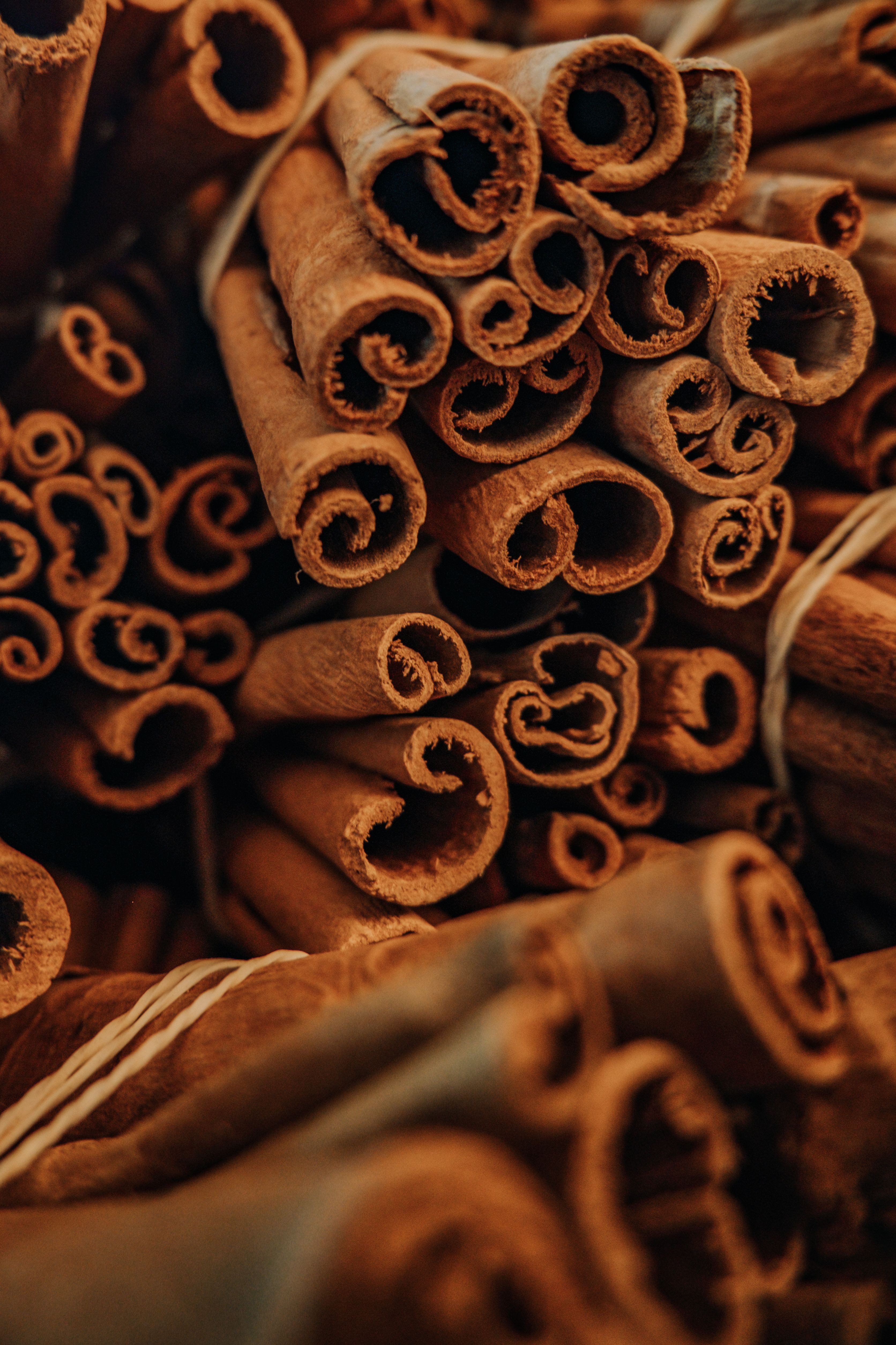
True cinnamon (Ceylon, C. verum) comes from Sri Lanka — thin, papery layers, light brown, fragile. Cassia (C. cassia) from China/Vietnam/Indonesia is thicker, darker, harder, with more pungent flavor and higher coumarin. Bark is peeled, rolled into 'quills,' and sun-dried.
Origin & History
Used in ancient Egypt by 2000 BCE for embalming. Pliny noted Roman emperor Nero burned a year's supply at his wife's funeral. Sri Lanka has been the center of true cinnamon since antiquity; the Portuguese, Dutch, and British each fought to control it.
Nutritional Profile
Per 100g
Key nutrients: Highest antioxidant value (ORAC) among common spices. Rich in cinnamaldehyde, calcium, manganese, and iron.
Evidence-Based Health Benefits
Multiple meta-analyses show 1-6g daily reduces fasting glucose and improves insulin sensitivity in type 2 diabetics.
Studies show 1-6g/day lowers LDL and triglycerides while raising HDL.
Higher antioxidant activity than oregano or garlic — protects against oxidative stress.
Cinnamaldehyde inhibits bacterial and fungal growth, including Candida and Listeria.
Reduces inflammatory markers tied to chronic disease and aging.
Tvak balances Kapha and Vata, mildly increases Pitta. Sweet-pungent-bitter taste, heating. Used for cold, cough, indigestion, and as a 'Mukha Vishada' (mouth freshener). Found in 'Sitopaladi' churna for respiratory issues.
Recipes Featuring This Spice
Soft yeasted rolls swirled with cinnamon sugar and cream-cheese glaze.
Slow-cooked with cinnamon, apricots, and almonds.
Quick breakfast with apples, cinnamon, and maple.
Safety & Precautions
Ceylon: up to 6g/day safely. Cassia: limit to 0.5-1 tsp daily due to coumarin.
Cassia's coumarin can damage the liver in high doses long-term. Ceylon has negligible coumarin. May lower blood sugar — diabetics watch hypoglycemia.
Blood sugar drugs (additive), blood thinners (cassia's coumarin), liver-metabolized drugs.
Storage & Buying Guide
Sticks: 3-4 years airtight. Ground: 6 months. Freeze for longer storage.
For health, choose Ceylon ('true' cinnamon) — light brown, multi-layered, crumbly. Cassia is darker red-brown, single thick layer. Read labels — 'cinnamon' in US usually means cassia.
Did You Know?
Cinnamon was once worth 15x more than silver by weight in ancient Rome.
Arab traders kept cinnamon's source secret for centuries with tales of giant 'cinnamon birds.'
Cassia accounts for 90% of US 'cinnamon' sold.
Cinnamon was the first spice traded along the Mediterranean.
Frequently Asked Questions
Ceylon vs Cassia — which is better?
Ceylon (true cinnamon) is safer for daily use due to lower coumarin. Cassia is stronger and cheaper but should be limited.
How much cinnamon should I take daily?
Ceylon: up to 6g; Cassia: max 0.5-1 tsp to limit coumarin exposure.
Does cinnamon really lower blood sugar?
Yes — meta-analyses confirm modest but consistent reductions in fasting glucose and HbA1c.
Related Spices
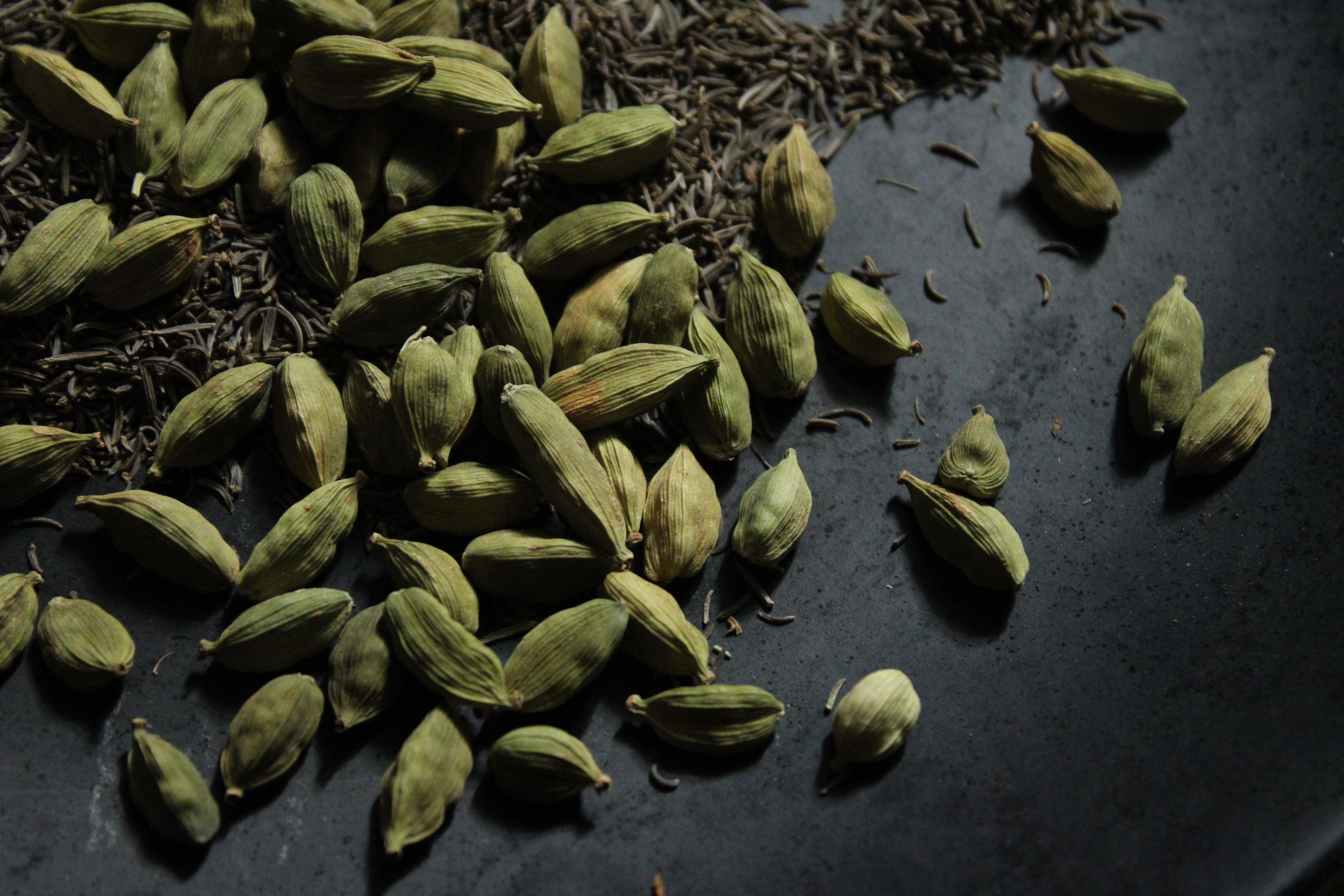
Elettaria cardamomum
Cardamom
The fragrant queen of spices

Syzygium aromaticum
Cloves
Tiny flower buds with explosive flavor
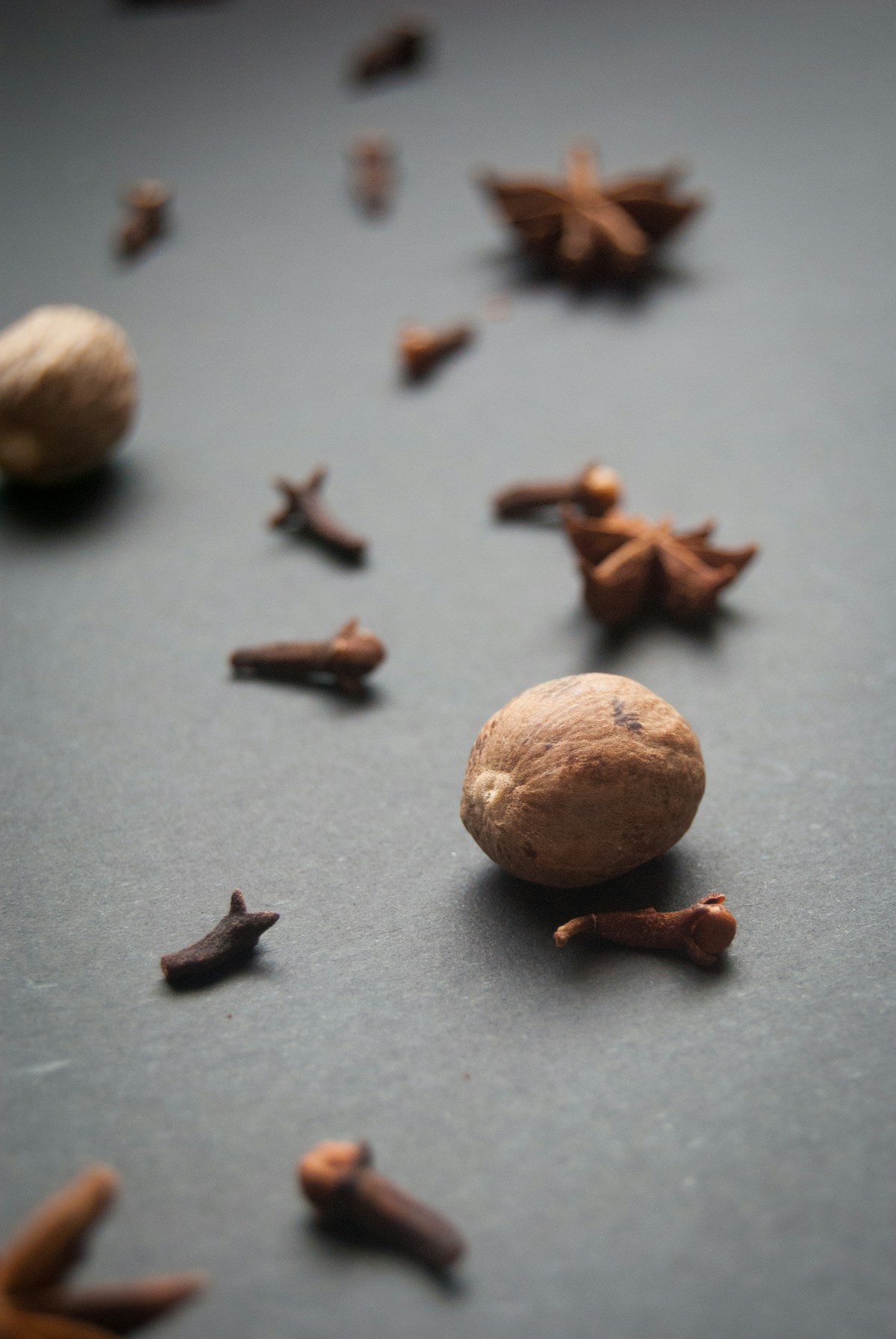
Myristica fragrans
Nutmeg
Warm, sweet seed that started wars
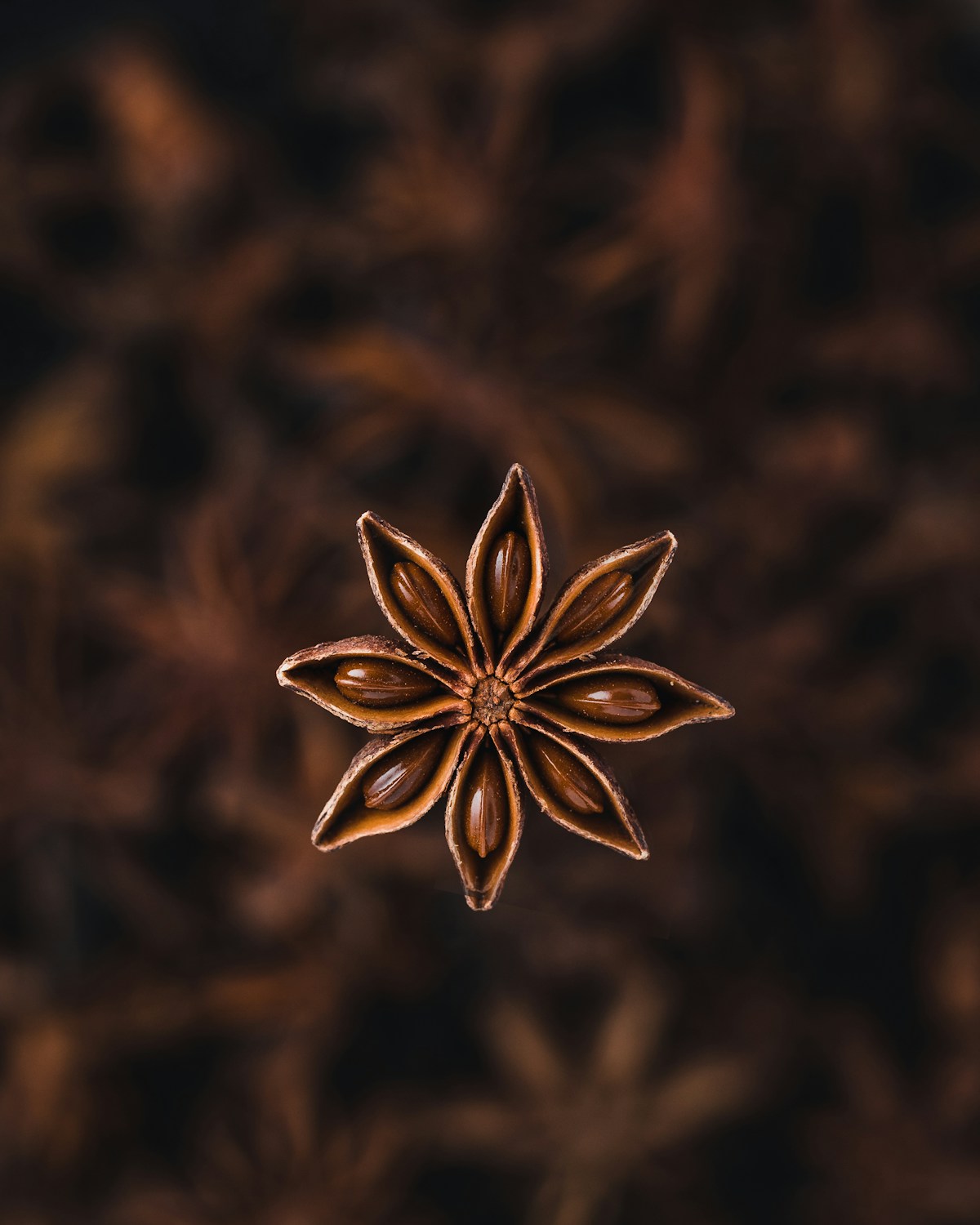
Illicium verum
Star Anise
Eight-pointed star with bold licorice soul
Community Reviews
Share your Cinnamon experience
Loading reviews...