Names Around the World
How this spice is known in major languages
Botanical Information
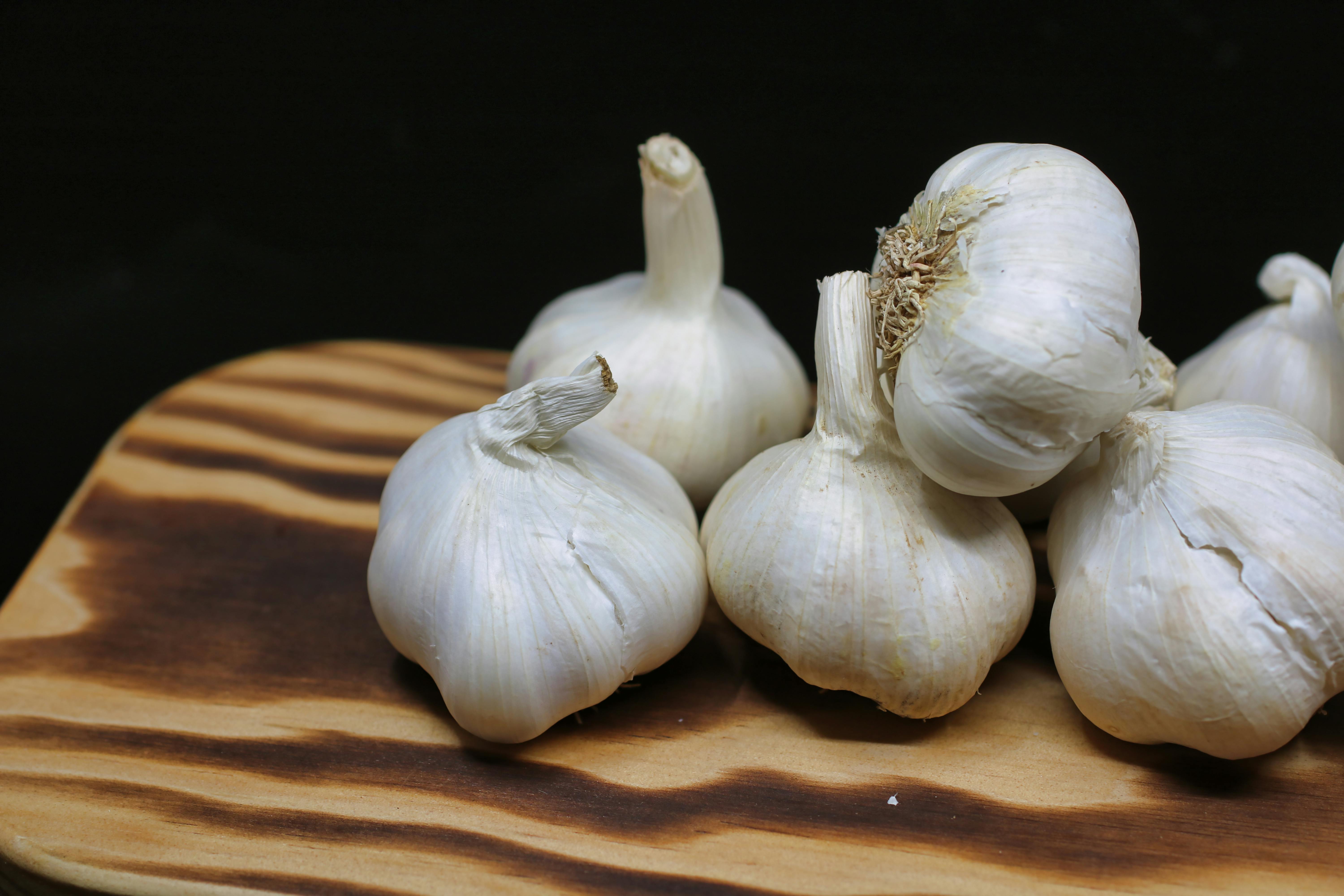
Garlic is the bulb of Allium sativum, related to onion, leek, and chive. Each bulb (head) contains 10-20 cloves. Crushing or cutting releases the enzyme alliinase, which converts alliin into allicin — the sulphur compound responsible for garlic's pungent aroma and most health benefits.
Origin & History
Cultivated for over 5,000 years; native to Central Asia. Found in Egyptian tombs (4,500 BCE), prescribed by Hippocrates, fed to slaves building the pyramids. Spread along Silk Road; reached China by 1st century CE.
Nutritional Profile
Per 100g
Key nutrients: Rich in manganese, B6, vitamin C, selenium and unique sulfur compounds (allicin, diallyl disulfide).
Evidence-Based Health Benefits
Daily garlic supplementation reduced colds by 63% in one 12-week trial.
Aged garlic extract matches some BP medications — 600-1500 mg/day lowers BP 8-10 mmHg.
Reduces total and LDL cholesterol by 10-15% in meta-analyses.
Allicin kills bacteria, viruses, and fungi — including antibiotic-resistant strains in lab studies.
Sulfur compounds bind heavy metals; trial workers' lead levels dropped 19% on garlic.
Lashuna is unique — contains all 6 tastes except sour. Heating, oily, heavy. Balances Vata and Kapha. Used for joint pain, weakness, parasites, and as a rejuvenator. Avoided during pregnancy and by sadhus due to its tamasic (stimulating) effect.
Recipes Featuring This Spice
Whole chicken roasted with 40 garlic cloves until they melt into sauce.
Pasta with olive oil, sliced garlic, chili and parsley.
Pillowy Indian flatbread brushed with garlic-butter.
Safety & Precautions
1-2 fresh cloves daily, or 600-1200 mg aged garlic extract.
Bad breath, body odor, heartburn, GI upset. Bleeding risk with high doses.
Blood thinners (warfarin, aspirin) — strong additive effect. HIV protease inhibitors (saquinavir) — reduces effectiveness. Birth control pills — may reduce effectiveness.
Storage & Buying Guide
Whole bulbs: 3-6 months in dry, ventilated spot (not fridge — encourages sprouting). Once peeled: refrigerate 1 week. Don't store in oil at room temp — botulism risk.
Choose firm, plump bulbs with tight, papery skin. Avoid soft, sprouting, or musty bulbs. Hardneck garlic (curly stem) has stronger flavor; softneck (most common) lasts longer.
Did You Know?
Egyptian pyramid builders received garlic rations to maintain strength.
Garlic contains over 30 different sulfur compounds, each with different effects.
Crushed garlic must rest 10 min before cooking for allicin to fully form.
China produces 80% of world's garlic.
Frequently Asked Questions
Raw or cooked — which has more benefits?
Raw retains the most allicin. If cooking, crush garlic and let it sit 10 minutes before heating to preserve compounds.
How much garlic per day?
1-2 cloves of fresh garlic daily, or 600-1200 mg of aged garlic extract.
Does garlic really fight colds?
Yes — multiple trials show garlic reduces cold frequency and duration.
Related Spices
Community Reviews
Share your Garlic experience
Loading reviews...