Names Around the World
How this spice is known in major languages
Botanical Information
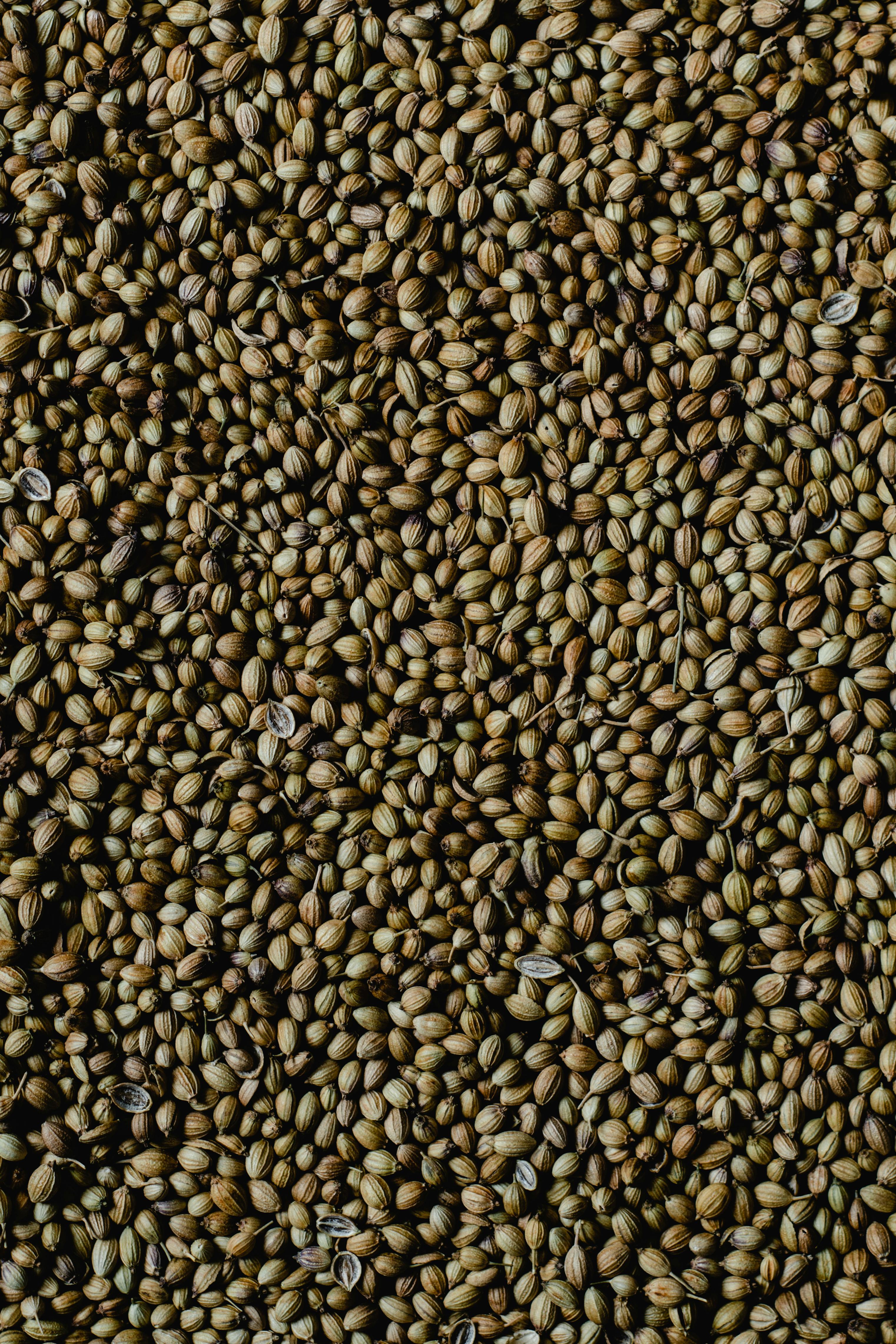
Coriander is an annual herb 30-50 cm tall. The leaves (cilantro) are flat, parsley-like; the small round seeds (1-3mm) are pale brown when dried. Both have distinct flavors. Seeds contain linalool, the floral-citrusy compound, plus minor terpenes.
Origin & History
Among the oldest spices known to humans — coriander seeds were found in tombs of the 21st Dynasty Egyptian pharaohs (~1000 BCE). Used in ancient Mesopotamia, mentioned in the Bible (Exodus 16:31), and traded by Romans throughout Europe.
Nutritional Profile
Per 100g
Key nutrients: Rich in linalool, vitamin C, K, manganese, iron, fiber. Seeds and leaves have very different nutrient profiles.
Evidence-Based Health Benefits
Coriander seed extract significantly reduces fasting glucose in diabetic studies.
Traditionally and clinically used for IBS — reduces gas, bloating, and cramps.
Diuretic effect helps lower BP; reduces LDL cholesterol in animal studies.
Loaded with phenolic compounds that fight oxidative stress.
Effective against Salmonella and other foodborne pathogens.
Dhanyaka is Tridoshic — balances all three. Sweet-bitter-pungent rasas, cooling. Used for thirst, burning sensation, urinary issues, and digestion. 'Dhanyaka Hima' (cold infusion) cools the body in summer.
Recipes Featuring This Spice
Fluffy rice tossed with fresh cilantro and lime juice.
Toasted coriander, cumin, cardamom, cloves, cinnamon, pepper.
Chickpeas blended with coriander, cumin, garlic, parsley — fried to crispy perfection.
Safety & Precautions
Up to 30g of seeds daily; 1-2 tablespoons of fresh leaves freely.
Some people genetically perceive cilantro leaves as 'soapy.' Rare allergic reactions. Can lower blood sugar significantly.
Blood sugar drugs, sedatives (additive), and blood pressure medications.
Storage & Buying Guide
Whole seeds: 1 year airtight. Ground: 4-6 months. Fresh leaves: stem-down in water in fridge, 1 week.
Whole seeds should be pale brown, round, fragrant. Toast just before grinding for best flavor. Fresh cilantro: bright green, no yellowing, no slimy stems.
Did You Know?
Coriander has been cultivated for over 7,000 years.
About 14% of people have a gene variant that makes cilantro taste like soap.
Romans introduced coriander to Britain, where it was a staple herb until the modern era.
Coriander seeds were thrown at Roman weddings for good luck.
Frequently Asked Questions
Coriander vs cilantro?
Same plant — cilantro is the leaves (Spanish name), coriander is the seeds (in US) or both (in UK).
Why does cilantro taste like soap to some?
A specific olfactory gene variant makes the aldehyde compounds in cilantro register as soapy.
Are coriander seeds and leaves interchangeable?
No — totally different flavor profiles. Seeds are warm/citrusy; leaves are fresh/herbaceous.
Related Spices
Community Reviews
Share your Coriander experience
Loading reviews...