Names Around the World
How this spice is known in major languages
Botanical Information
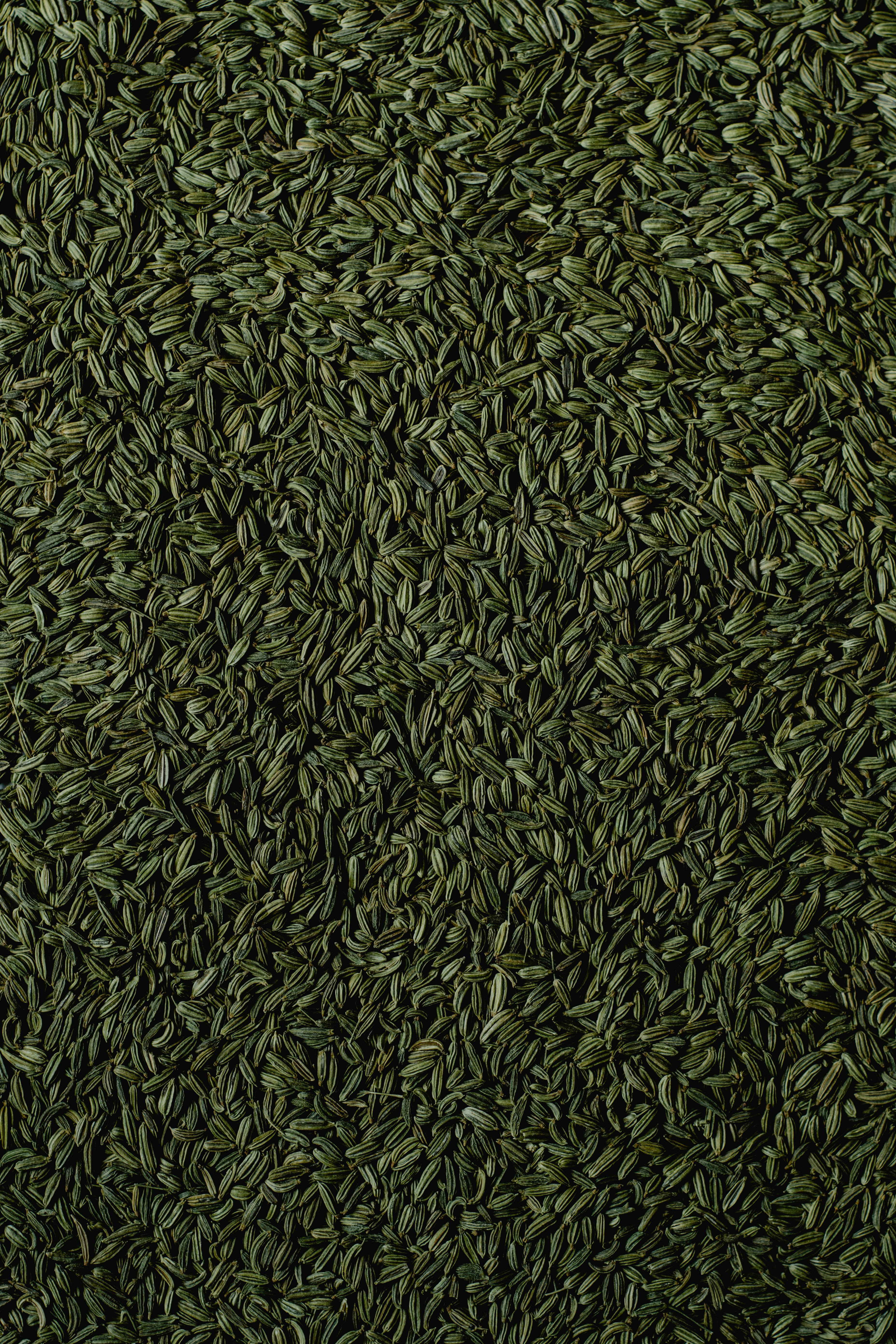
Fennel is a tall (1.5-2m) perennial with feathery foliage, yellow umbel flowers, and aromatic seeds. The plant has multiple uses: bulb (vegetable), fronds (herb), seeds (spice). Active compound anethole gives the licorice-like sweetness.
Origin & History
Native to the Mediterranean — eaten by Romans for endurance. In Greek mythology, Prometheus carried fire from Olympus inside a fennel stalk. Indian use of fennel as a digestive after-meal mukhwas goes back centuries.
Nutritional Profile
Per 100g
Key nutrients: Anethole, fenchone, estragole, plus calcium, iron, magnesium, manganese.
Evidence-Based Health Benefits
Anethole relaxes smooth muscle in the GI tract; relieves bloating, gas, IBS, and colic in babies.
Antibacterial action and pleasant flavor — chewed after meals across India.
Galactagogue effect; mothers across cultures use fennel water.
Trials show fennel seed extract matches mefenamic acid for dysmenorrhea.
Rich in polyphenols that fight oxidative stress.
Madhurika is cooling (Sheeta), sweet-pungent, balances all three doshas — especially Pitta. 'Madhurika Vati' for chronic indigestion. Postpartum mothers consume fennel water for digestion and milk supply.
Recipes Featuring This Spice
Refreshing fennel-seed cooler with rose and lemon for hot summer days.
Pork sausage flavored with toasted fennel seed, garlic, chili.
Thinly sliced raw fennel bulb with orange, olive oil, lemon, parsley.
Safety & Precautions
1-2 tsp seeds daily, freely as digestive aid; 5-7g of seeds for therapeutic doses.
Rare allergies. May affect estrogen — caution in hormone-sensitive conditions and pregnancy (high doses).
Tamoxifen, ciprofloxacin (reduces absorption), estrogen drugs.
Storage & Buying Guide
Whole seeds: 2 years airtight. Ground: 6 months. Fresh fennel bulb: 1 week refrigerated.
Plump, pale green seeds with strong sweet aroma. Avoid brown or dusty seeds. Indian fennel ('lakhnavi saunf') is plumper and sweeter than European varieties.
Did You Know?
Greek athletes ate fennel during training for strength.
Charlemagne ordered fennel grown on every imperial estate.
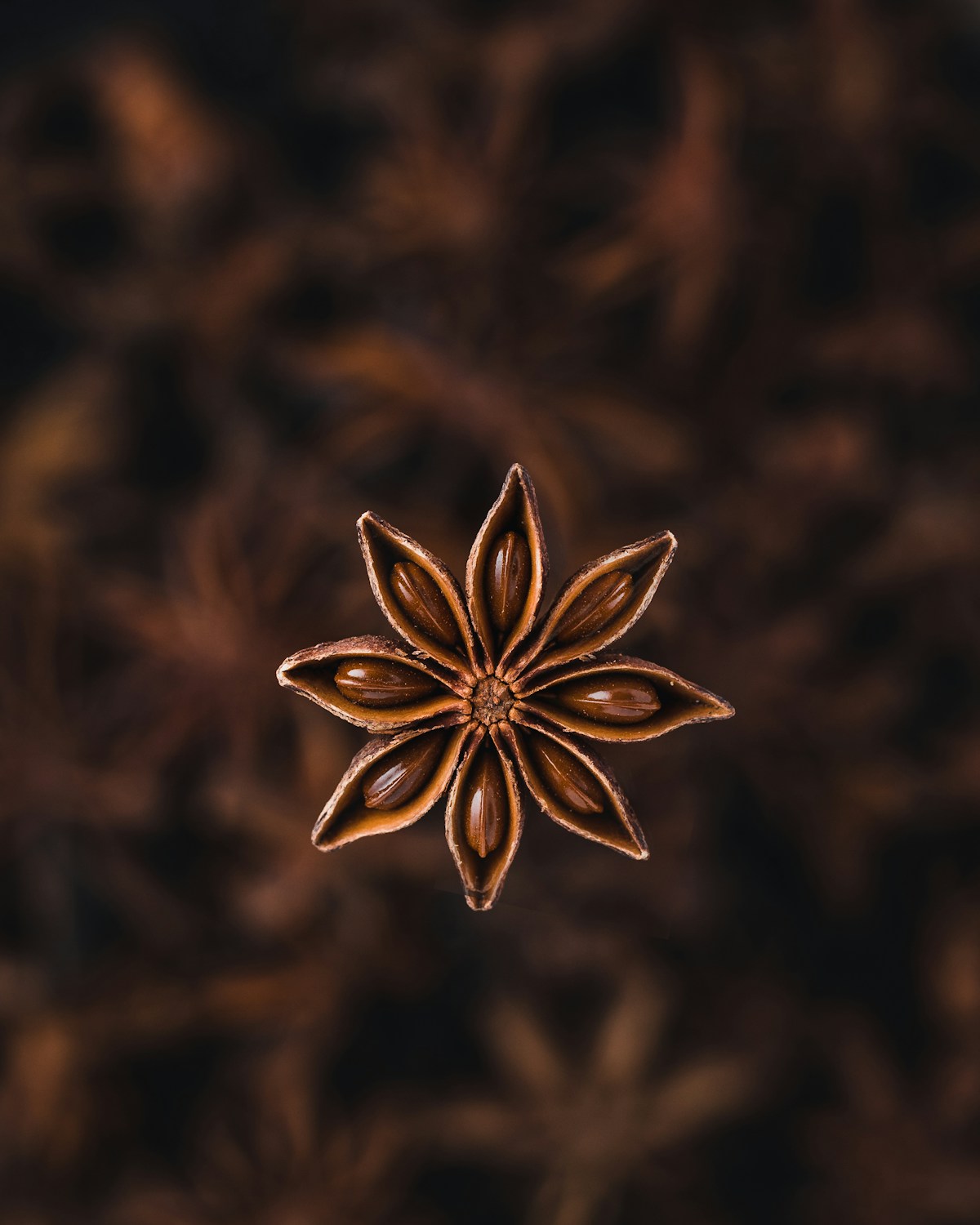
Anethole — fennel's main compound — is also in anise and star anise (hence similar flavor).
Fennel was once thought to ward off witches in medieval England.
Frequently Asked Questions
Fennel seed vs anise — same?
No, different plants but share anethole, so taste is similar. Fennel is sweeter and slightly less licorice-y than anise.
Why is fennel served after meals in India?
It's a powerful digestive, breath freshener, and mild diuretic — perfect post-meal.
Can pregnant women eat fennel?
Culinary amounts are fine; avoid medicinal/high doses — may stimulate the uterus.
Related Spices
Community Reviews
Share your Fennel experience
Loading reviews...