If your social feed is anything like ours, you've probably seen both turmeric and ginger recommended for everything from arthritis to brain fog. But these golden cousins from the same plant family (Zingiberaceae) have meaningfully different superpowers. So which one should you reach for?
Let's settle it with science.
The Quick Answer
- For joint pain, arthritis, chronic inflammation: Turmeric wins, by a clear margin.
- For acute pain, nausea, immediate digestive relief: Ginger wins.
- Best move: Use both. They work via different mechanisms and amplify each other.
Round 1: Active Compounds
Turmeric's hero compound is curcumin — a polyphenol responsible for the bright yellow color and most of the health benefits. Curcumin blocks NF-kB, a major switch for inflammation. It's also a strong antioxidant.
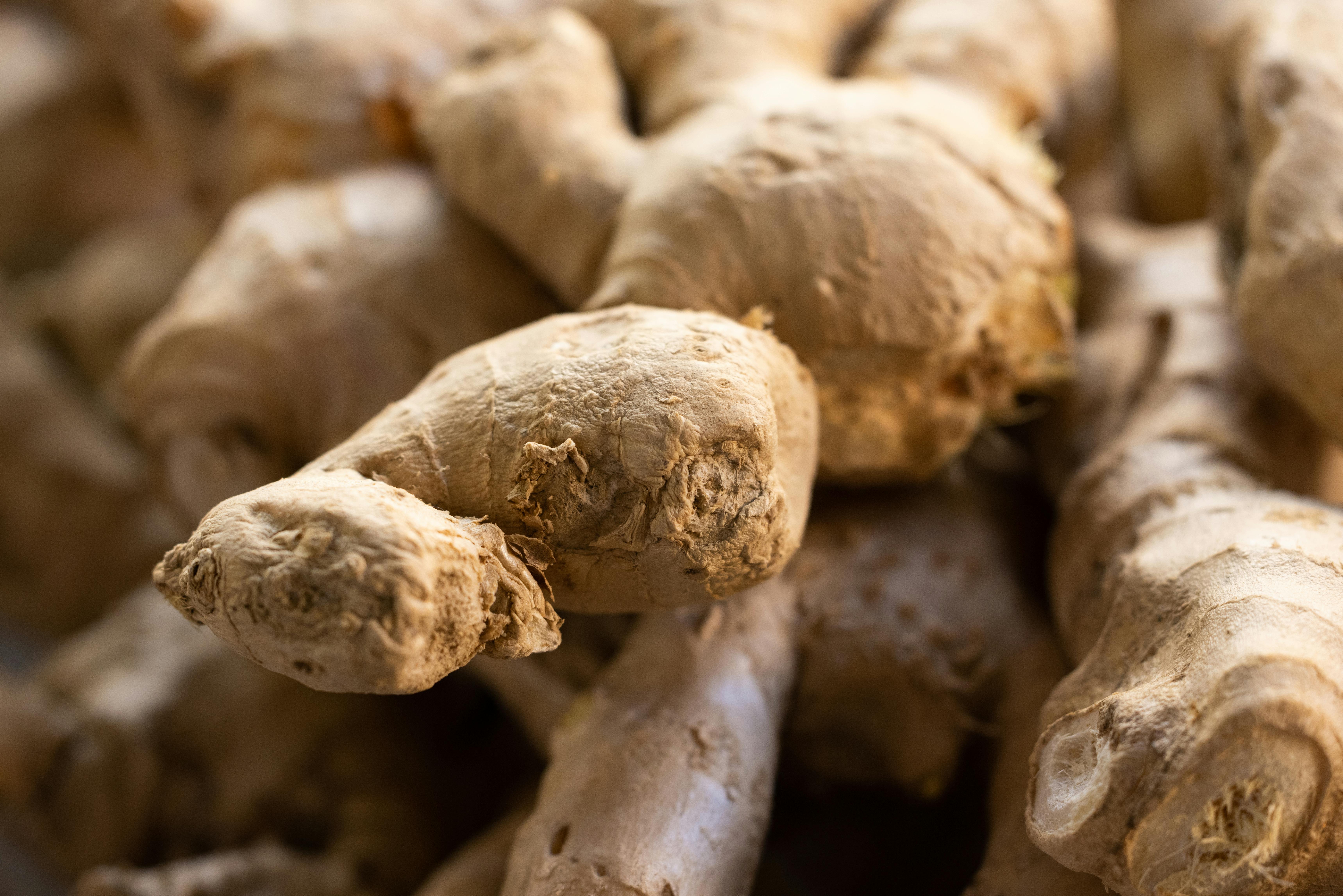
Ginger's hero compounds are gingerol (fresh) and shogaol (dried). Gingerols inhibit COX-2 enzymes (the same target as ibuprofen) and reduce nausea via 5-HT3 serotonin receptors in the gut.
Winner: Tie — both fight inflammation, but through different pathways.
Round 2: Chronic Inflammation & Arthritis
A 2021 meta-analysis of 16 randomized trials found that 1g of curcumin daily was as effective as ibuprofen for knee osteoarthritis — without GI side effects. The catch: you must take it with black pepper (piperine) or a fat source for absorption.
Ginger also helps with osteoarthritis (10-30% pain reduction in trials), but the effect size is smaller than turmeric's.
Winner: Turmeric.
Round 3: Nausea & Digestion
This is ginger's home turf. Ginger reduces morning sickness, motion sickness, post-operative nausea, and chemotherapy-induced nausea — dozens of trials confirm it. 1g of fresh ginger or 250mg of extract works within 30 minutes.
Turmeric is a milder digestive aid; it stimulates bile but isn't anti-nausea.
Winner: Ginger.
Round 4: Brain & Mood
Curcumin crosses the blood-brain barrier and increases BDNF (brain-derived neurotrophic factor). A 2018 trial showed 90mg of curcumin twice daily for 18 months improved memory in older adults vs placebo.
Ginger's brain effects are less studied — promising in early Alzheimer's models, but not yet at the curcumin level of evidence.
Winner: Turmeric.
Round 5: Acute Pain (Headache, Muscle Soreness)
Ginger acts faster — 2g of ginger reduced muscle soreness as effectively as ibuprofen in athletes within 24 hours. Turmeric's effect builds over weeks, not hours.
Winner: Ginger.
How to Use Both Daily
Morning ginger shot: Thumb-sized piece grated into warm water with lemon and honey. Sharp, energizing.
Golden milk before bed: ¼ tsp turmeric + ⅛ tsp ground pepper + ½ tsp ghee in warm milk. Soothing, anti-inflammatory.
Cooking: Both go beautifully in curries, dals, soups, and stir-fries — turmeric for color and base, ginger for brightness.
The Verdict
Don't pick — use both. Turmeric is your long-term inflammation insurance; ginger is your acute pain and digestion fix. Together, they're the most studied, safest natural anti-inflammatory duo on Earth.
Always consult your doctor before high-dose use, especially if you're on blood thinners or diabetes medication.