Walk into any Indian kitchen and you'll find a round stainless-steel tin holding 7 smaller containers. This is the masala dabba — the heartbeat of Indian cooking. Master these 7 spices and you can cook 90% of Indian dishes.
What is a Masala Dabba?
A circular spice box with 7 compartments, a clear lid, and a small spoon. Everything is within arm's reach — no scrambling through a cabinet of jars. The 7 contents vary by region, but the most universal lineup is below.
The 7 Essentials
1. Mustard Seeds — The Tadka Trigger
Tiny black mustard seeds pop in hot oil and signal the start of cooking. They release a nutty aroma and form the base of most South Indian tempering (tadka).
How to use: Add to hot oil. Wait until they pop (5-10 seconds). Then add other ingredients.
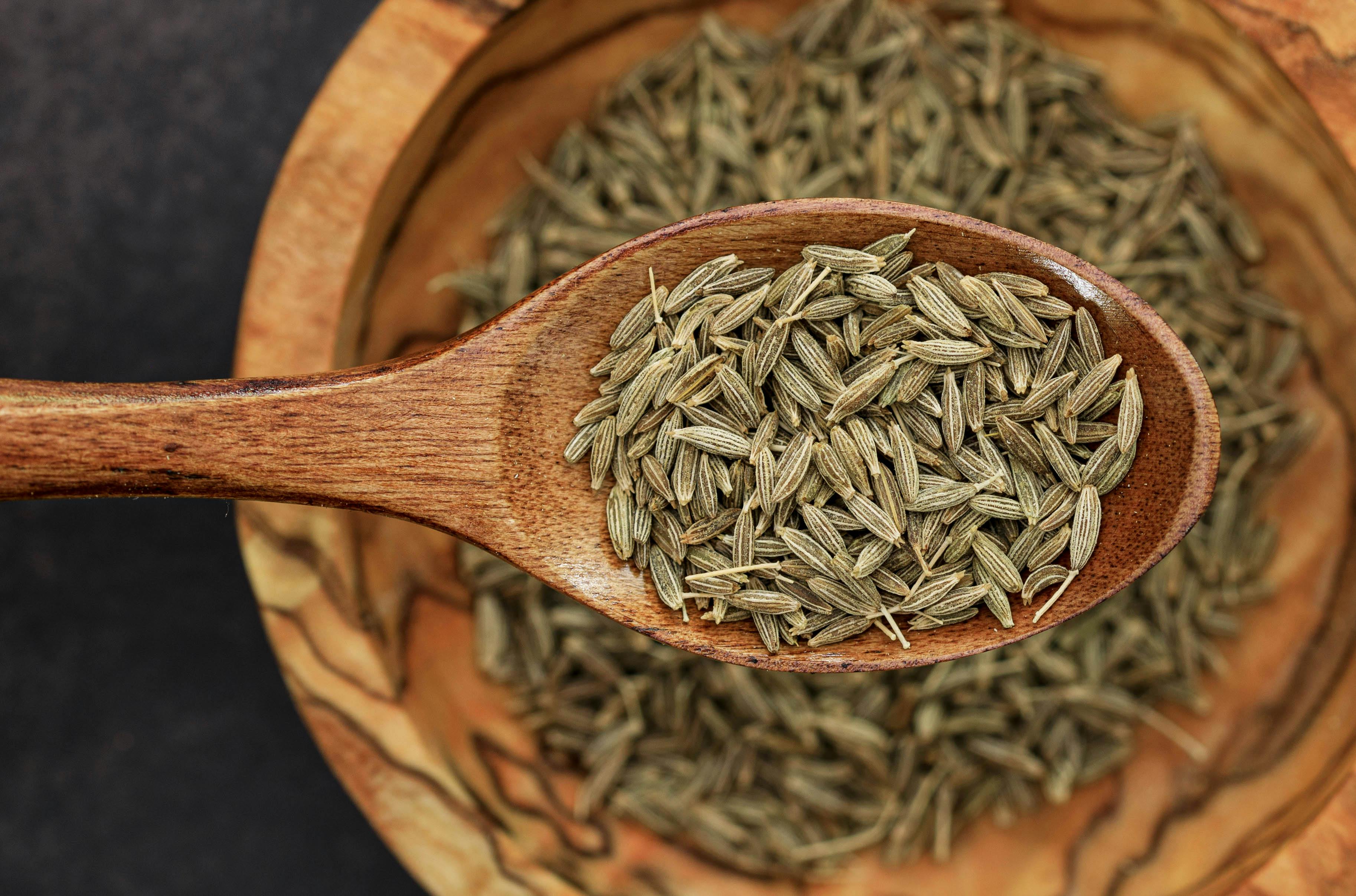
2. Cumin Seeds — The Earthy Warmth
Cumin is added right after mustard, or alone in North Indian dishes. It blooms in hot oil, releasing the warm, nutty base flavor of dal, rice, and curries.
How to use: ½-1 tsp per dish. Toast in oil before adding onions.
3. Turmeric Powder — The Golden Base
Turmeric goes into nearly every Indian savory dish — for color, flavor, and traditional anti-inflammatory benefit.
How to use: ¼-½ tsp per dish, added after onions but before tomatoes. Burns easily — keep heat moderate.
4. Coriander Powder — The Bridge
Ground coriander seeds add a warm, citrusy floral note that bridges all other spices. Often used in larger quantities (1-2 tsp) than other powders.
How to use: Add with turmeric. Foundational in curries, dry rubs, and chutneys.
5. Red Chili Powder — The Heat
Red chili powder brings the heat and color. Kashmiri chili gives mild heat with deep red color; standard chili powder is hotter.
How to use: Start with ¼ tsp and adjust. Use Kashmiri for color without burn.
6. Garam Masala — The Finishing Aroma
Garam masala (literally "warm spices") is a pre-mixed blend of cardamom, cinnamon, cloves, black pepper, bay leaf, and cumin. Added at the end of cooking for fragrance.
How to use: Sprinkle ½ tsp in the last minute of cooking. Never fry it — it burns.
7. Fennel or Fenugreek Seeds — Regional Choice
In North India, the 7th slot often has fennel for sweet, cooling flavor. In Gujarat or for Indian-Chinese fusion, fenugreek seeds for a maple bitterness.
How to Build Your Own
- Buy a stainless steel dabba (about $15-20 online). Round, with clear lid.
- Buy whole spices when possible — they last 1-2 years. Grind in small batches.
- Use within 6 months of opening for ground spices.
- Store away from heat & light — not above the stove!
The Universal Tadka Recipe
Most Indian dishes start the same way:
- Heat 1 tbsp oil/ghee in a pan until shimmering.
- Add ½ tsp mustard seeds. Wait for them to pop.
- Add ½ tsp cumin seeds and a pinch of asafoetida.
- Add 8-10 fresh curry leaves (if you have them).
- Pour this hot, fragrant oil over any cooked dal, vegetable, or yogurt dish.
That's 90 seconds of cooking. That's also the secret to why Indian food tastes so layered.
What's Next?
Once you've mastered the 7, your masala dabba will evolve. You might add ajwain for breads, saffron for biryanis, or star anise for biryanis and chai. The dabba is personal — make it yours.
Happy cooking!