Every grandmother across India and the Mediterranean knew this secret long before the labs caught up: your spice rack is the most powerful immune toolkit you own. Modern research has now confirmed that the polyphenols, essential oils, and unique compounds in everyday spices boost antibody production, fight pathogens, and reduce chronic inflammation that weakens immunity.
Here are the 10 best spices for immunity in 2025 — each chosen for the strength of evidence behind it.
1. Turmeric — The Anti-Inflammatory Powerhouse
Turmeric's curcumin reduces NF-kB activation (a key inflammation switch) and enhances antibody response. A 2024 meta-analysis found regular curcumin supplementation reduced respiratory infection severity by 23%. Pair with black pepper for 2000% better absorption.
How to use: Golden milk before bed, ½ tsp daily in curries, or 500mg curcumin extract.
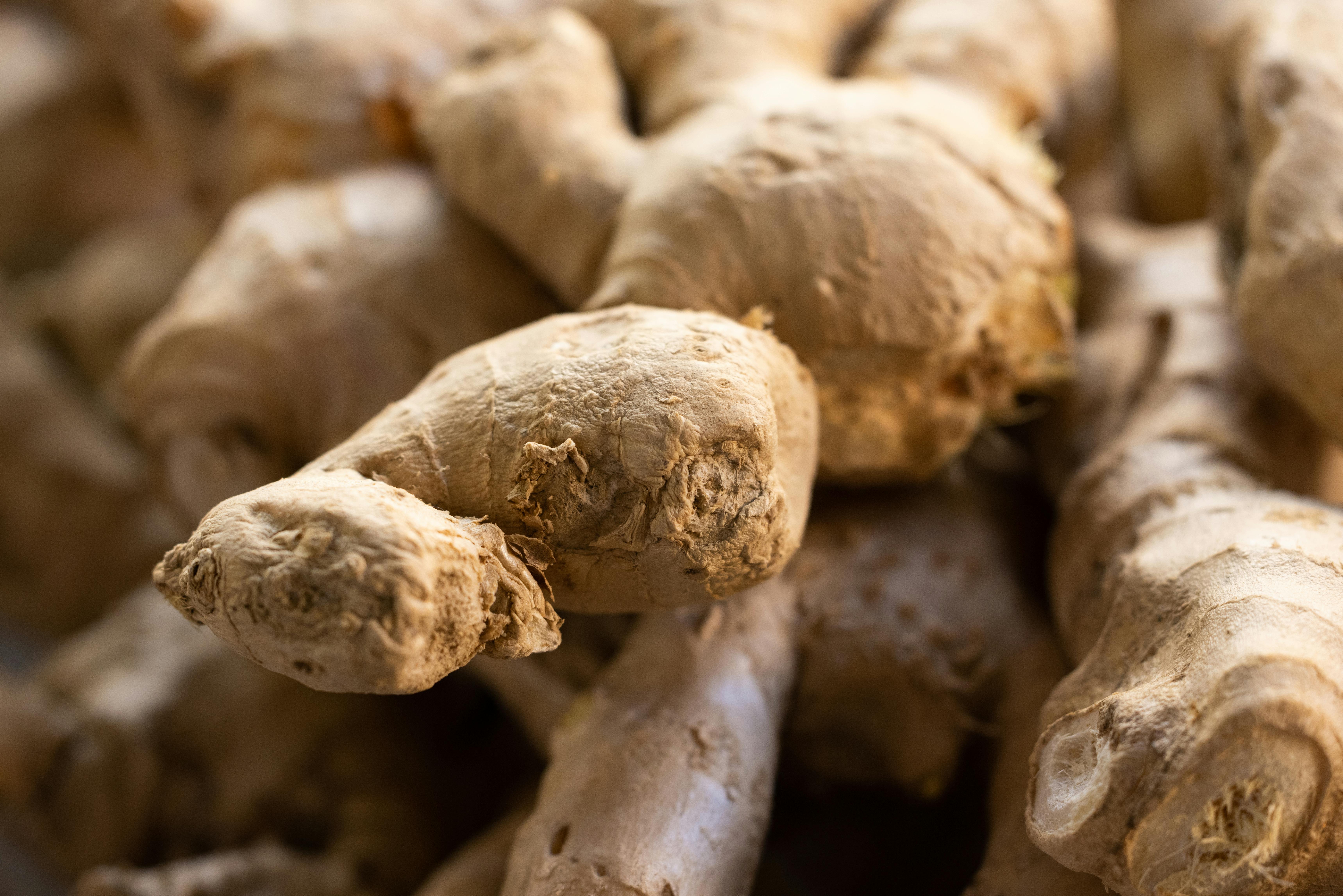
2. Ginger — The Throat & Gut Defender
Ginger's gingerol kills viruses on contact and shortens cold duration by 1-2 days in clinical trials. It also calms the gut, where 70% of your immune cells live.
How to use: Sliced fresh ginger steeped in honey-lemon tea — the universal cold remedy.
3. Garlic — Nature's Antibiotic
Garlic's allicin kills bacteria, viruses, and fungi — including some antibiotic-resistant strains in lab studies. Daily garlic reduced colds by 63% in one 12-week study.
How to use: 1-2 raw crushed cloves daily. Crush and rest 10 min before eating to maximize allicin.
4. Cinnamon — Antioxidant Champion
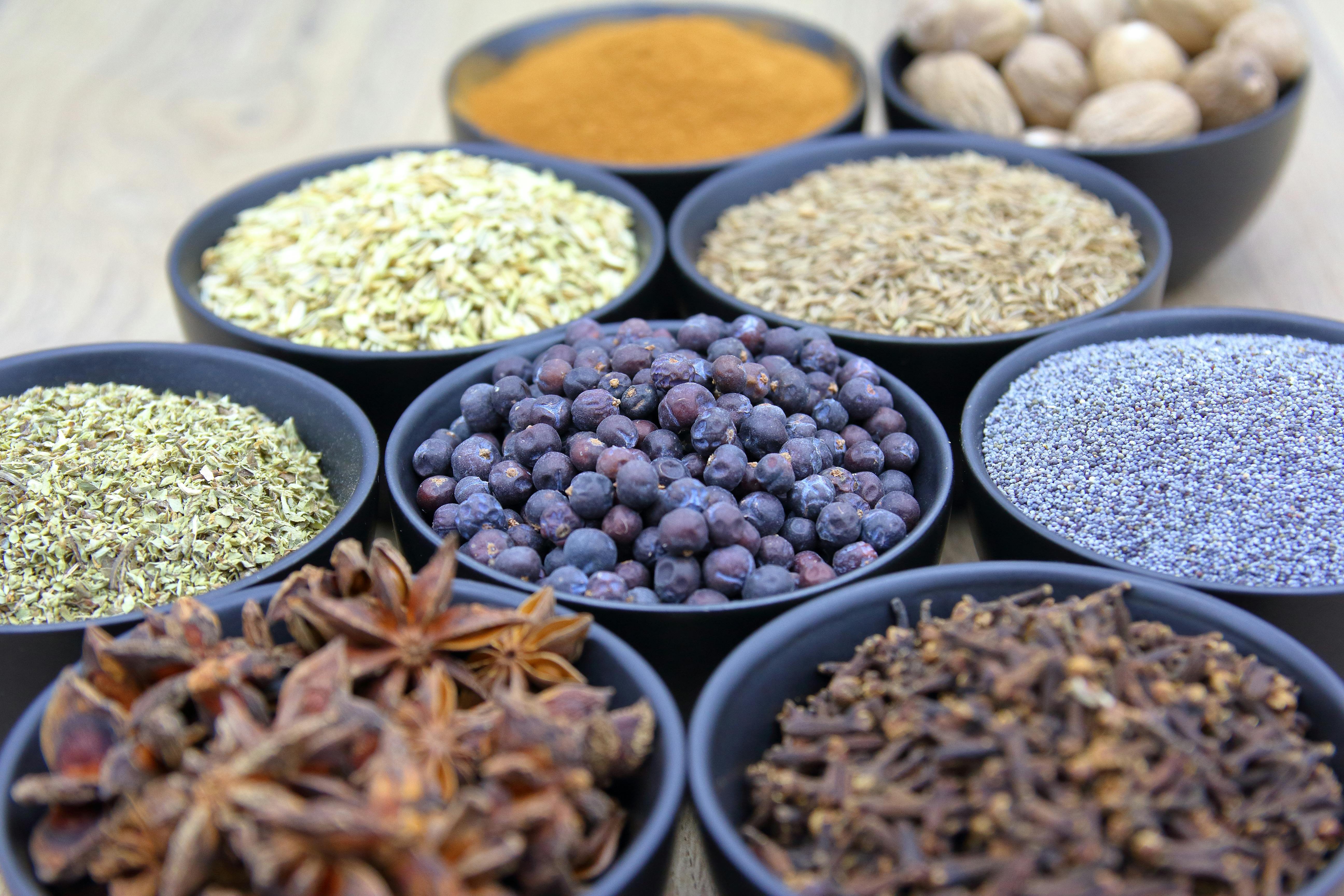
Cinnamon has higher antioxidant activity (ORAC) than oregano or garlic. Cinnamaldehyde inhibits bacterial and fungal growth, while reducing oxidative stress that weakens immune cells.
How to use: ½-1 tsp daily in oatmeal, coffee, or smoothies. Prefer Ceylon over Cassia for daily use.
5. Cloves — Highest Antioxidant Score
Cloves top the ORAC chart at 314,446 µmol TE/100g. Eugenol, their active compound, is both antibacterial and antiviral.
How to use: 1-2 whole cloves in chai or mulled cider; pinch of ground in baking.
6. Black Pepper — The Absorption Booster
Black pepper's piperine boosts absorption of nutrients like curcumin, selenium, and B vitamins — all critical for immune function.
How to use: Freshly grind on every cooked meal. Always pair with turmeric.
7. Cardamom — The Cool Antioxidant
Cardamom is rich in cineole, which clears respiratory passages and fights oral pathogens. Used in Ayurveda's classic immunity formulations.
How to use: Crush 2 pods into chai or coffee daily.
8. Star Anise — Source of Tamiflu
Star anise provides shikimic acid, the starting compound for the antiviral drug Tamiflu. Its essential oils also have proven antimicrobial effects.
How to use: 1 pod in soups, pho, or mulled wine.
9. Fenugreek — Mucus & Inflammation Buster
Fenugreek seeds clear respiratory mucus, soothe sore throats, and reduce inflammation markers. Long used in Ayurveda for chronic respiratory issues.
How to use: 1 tsp seeds soaked overnight, water drunk in the morning.
10. Curry Leaves — The Daily Detoxifier
Curry leaves are packed with iron, vitamin A, and carbazole alkaloids that fight inflammation and oxidative stress — daily wear-and-tear on your immunity.
How to use: 5-10 fresh leaves tempered in oil at the start of any South Indian dish.
The Daily Immunity Spice Stack
If we had to pick a daily protocol, it would be this:
- Morning: Hot water with ginger + lemon
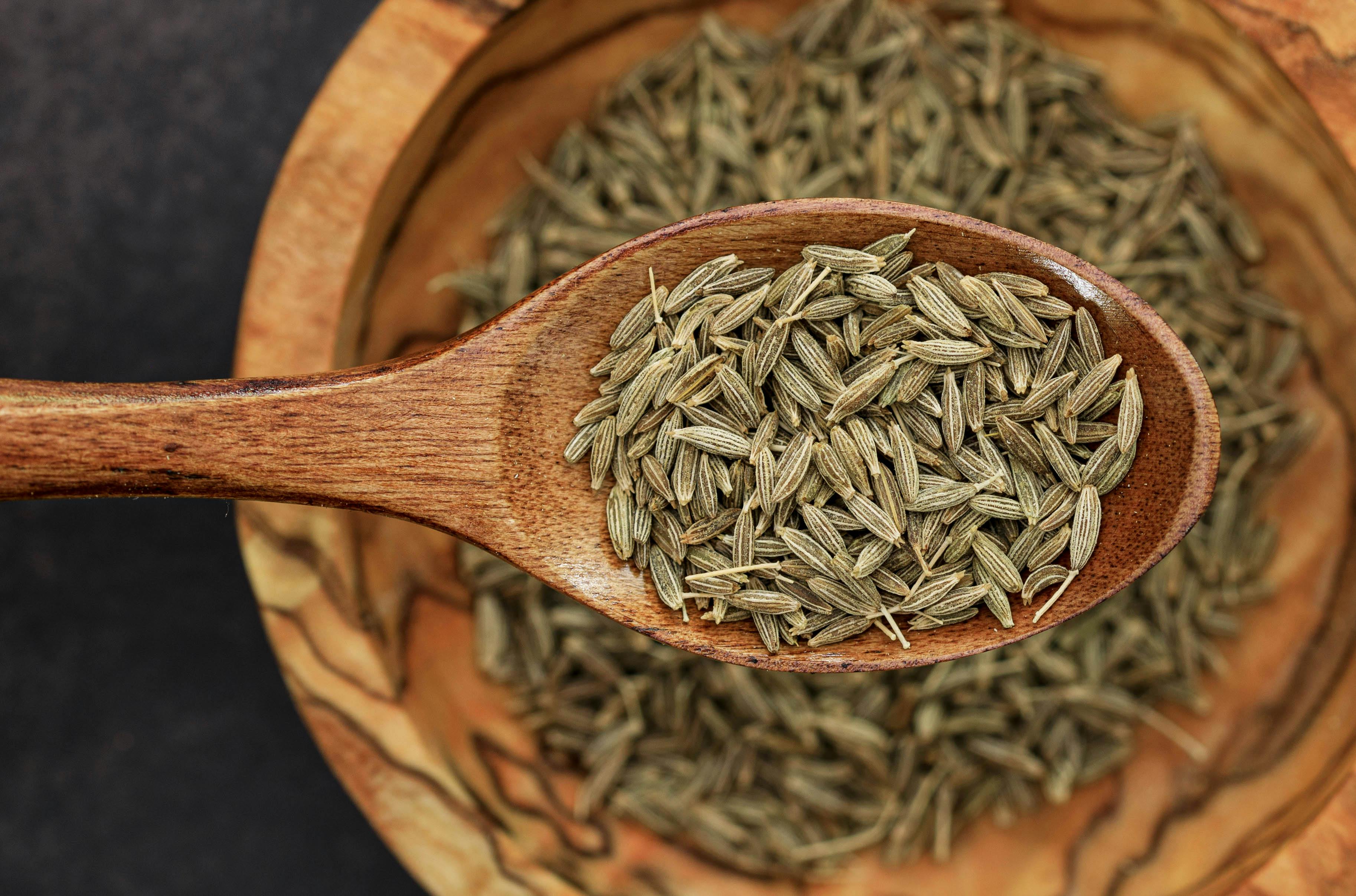
- With meals: Turmeric + black pepper + cumin tempering
- Evening: Cardamom-cinnamon-clove chai
You don't need supplements when your kitchen is your medicine cabinet. Start with what's already in your pantry — the ROI is unbeatable.
Educational content. Always consult a healthcare provider before changing your routine, especially if you're on medication or have chronic conditions.