Type 2 diabetes affects over 500 million people globally. While medication is essential for many, research over the past 15 years has confirmed that certain spices can meaningfully support blood-sugar management — sometimes matching low-dose pharmaceuticals in effect.
Here are the 5 with the strongest clinical evidence.
1. Cinnamon — The Most-Studied
Cinnamon is the most-researched spice for blood sugar control. Multiple meta-analyses (the highest level of evidence) show that 1-6g daily reduces:
- Fasting glucose by 10-29 mg/dL
- HbA1c by 0.3-0.5%
- Total cholesterol and triglycerides
Mechanism: Cinnamaldehyde mimics insulin and increases glucose uptake in cells.
How to use: 1-2 tsp daily in oatmeal, coffee, smoothies, or Greek yogurt. Use Ceylon cinnamon (true cinnamon) — Cassia is fine for occasional use but contains coumarin which limits daily intake.
2. Fenugreek — The Workhorse
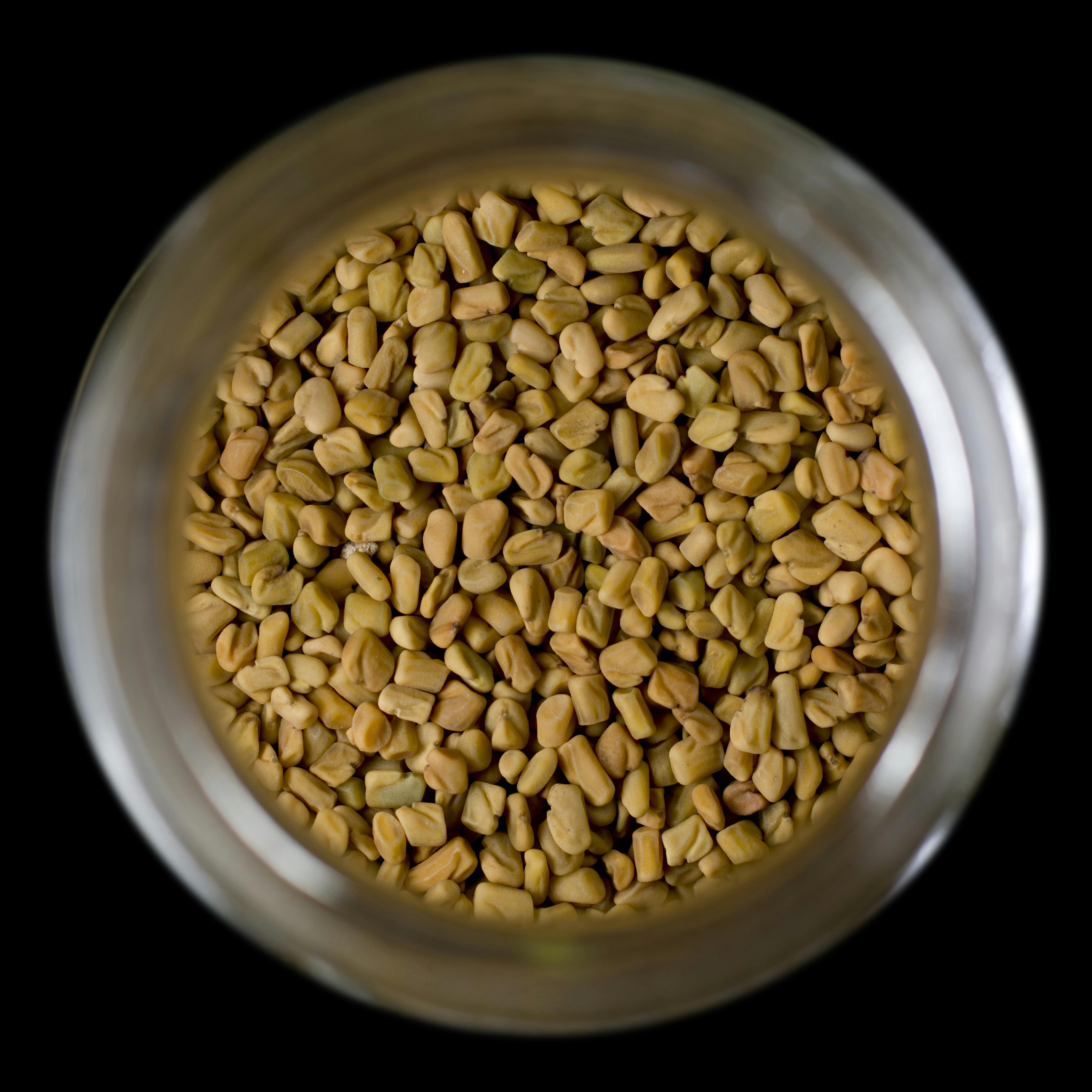
Fenugreek seeds are perhaps the most powerful natural glycemic agent. The compound 4-hydroxyisoleucine actively stimulates insulin release. Studies in type 2 diabetics show 10g of seeds daily:
- Reduces fasting glucose by 25-30%
- Improves HbA1c by 1+ percentage point in some studies
- Lowers LDL cholesterol
How to use: Soak 1 tablespoon of seeds overnight in water. Drink the water and chew the seeds first thing in the morning.
3. Turmeric — Insulin Sensitizer
Turmeric's curcumin improves insulin sensitivity and reduces inflammation that drives insulin resistance. A landmark 2012 trial showed curcumin completely prevented progression from pre-diabetes to diabetes in 240 people over 9 months — zero progression vs 16% in placebo.
How to use: ½-1 tsp daily with black pepper and fat. Curcumin extracts (500mg with piperine) for therapeutic doses.
4. Cumin — The Daily Booster
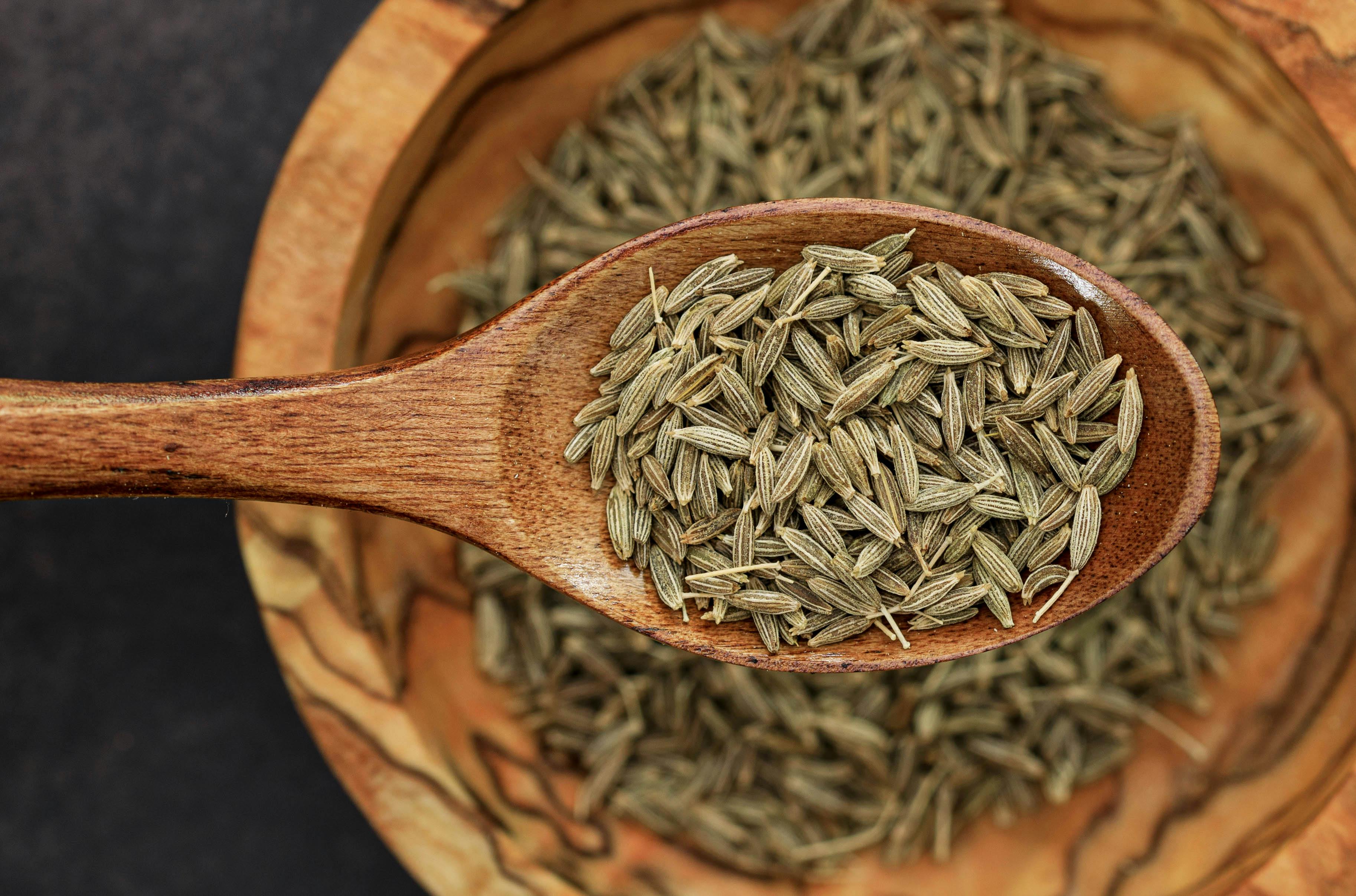
Cumin is less famous but well-studied. Trials show 2-3g daily for 8 weeks:
- Reduces fasting glucose 14%
- Improves insulin sensitivity
- Reduces inflammatory markers
How to use: 1-2 tsp in cooking, or jeera water (1 tsp seeds boiled in a cup of water) in the morning.
5. Curry Leaves — The Daily Habit
Curry leaves contain mahanimbine and other alkaloids that improve glucose metabolism. A 2015 study showed daily curry leaf consumption reduced blood glucose 18% in pre-diabetics over 30 days.
How to use: 5-10 fresh leaves daily in cooking, or chew 2-3 leaves on empty stomach in the morning.
A Realistic Daily Protocol
Here's a sustainable, food-based stack:
Morning:
- Fenugreek soak water + seeds (1 tbsp)
- Or jeera water (1 tsp cumin boiled in water)
- 2-3 fresh curry leaves chewed
Meals:
- Cooking with turmeric + black pepper + cumin (Indian style)
- Cinnamon on oatmeal or coffee
Optional supplements (consult doctor):
- Cinnamon extract: 500mg with meals
- Curcumin: 500mg with piperine
Important Caveats
These spices are complementary, not replacements for prescribed medication. They can:
- Cause hypoglycemia when combined with diabetes drugs — monitor closely
- Lower blood sugar too far on their own in sensitive individuals
- Interact with blood thinners
Always work with your doctor. Bring your monitoring logs to appointments. Spices can reduce — but rarely eliminate — the need for medication.
The Bottom Line
If you're pre-diabetic or recently diagnosed, building these 5 spices into your daily life is one of the highest-ROI dietary moves you can make. They're cheap, safe (in food amounts), well-studied, and synergize with everything else you're doing.
The kitchen really is the first pharmacy.